Infantino Faces Growing Opposition as England Joins Withdrawal from Support
- Gate
- Football
- Departs
- Crew
- Margaret Fleming
- Passengers
- 733
The tide is turning against FIFA President Gianni Infantino as England, Wales, and Serbia withdraw support amid rising dissent from national federations.
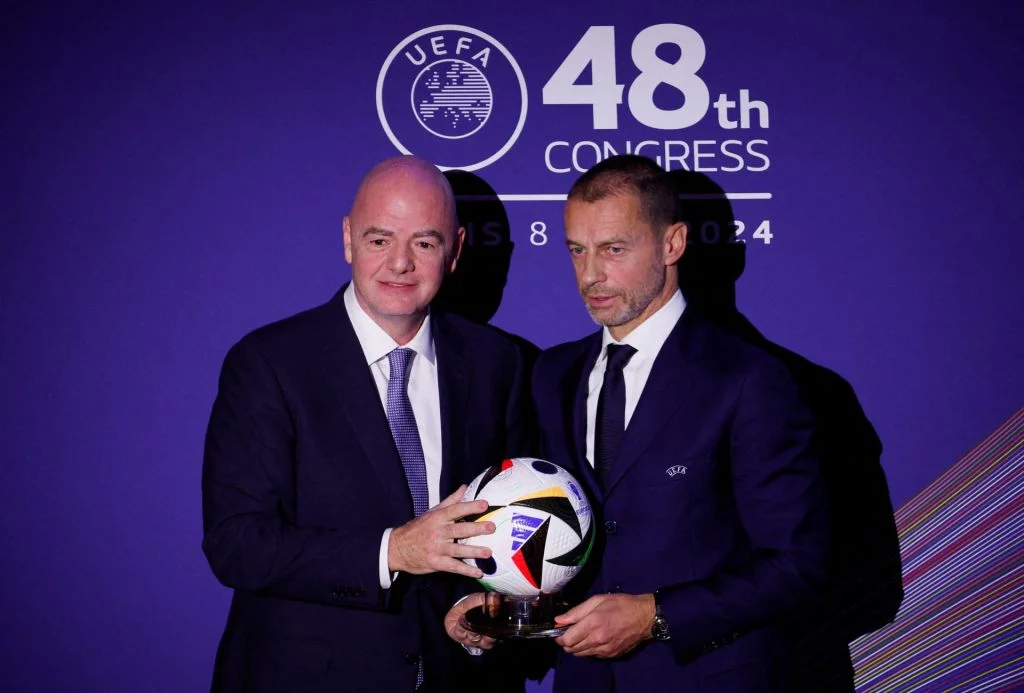
Gianni Infantino's tenure as FIFA president is becoming increasingly precarious. The global soccer leader, who has held the position since 2016, is now facing a swell of opposition from national federations as his reelection campaign looms ahead. With several federations—including England, Wales, and Serbia—revoking their support, the internal rifts within FIFA are likely to define the upcoming election.
Initially, Infantino was positioned to run unopposed in the spring of 2023 after securing endorsements from various continental bodies and associations. However, his recent attempt to commercialize FIFA's key asset, the World Cup, triggered significant backlash. On July 27, FIFA proposed selling stakes in the tournament to outside investors as part of a broader strategy to boost revenue. This move quickly backfired, leading to vehement opposition. UEFA declared it would boycott all FIFA tournaments if the proposal moved forward, while key executives within FIFA openly condemned the plan.
By July 31, amidst mounting dissent, Infantino had to rescind the proposal, marking a significant defeat for his administration. Shortly thereafter, feelings within the European soccer community shifted dramatically. Finland became the first federation to withdraw its backing of Infantino on July 30, a pivotal moment that set the stage for others to follow. Wales and Serbia both announced their withdrawal soon after, with the Serbian Football Association characterizing its decision as “the only logical and rational move.” Reports suggest that the Football Association of England is also poised to document its withdrawal, reinforcing the collective discontent against the FIFA president.
While this protest sentiment is palpable among European nations, support outside of Europe remains intact. Several associations from regions like the Middle East and Asia, including 2022 World Cup host Qatar and future host Morocco, have reiterated their backing for Infantino. These divisions highlight not only geographical disparities in strategic vision but also differing perspectives on FIFA's operational direction.
It's also worth noting that Infantino's reelection bid complicates the matter. FIFA presidents typically serve a maximum of three terms; however, Infantino contends that the three years he occupied the position after Sepp Blatter's exit should not count against him. This has emboldened him to run unopposed in both 2019 and 2023, complicating the narrative around his leadership.
Interestingly, some federations that opted against supporting Infantino from the outset are now basking in their foresight. The German football association (DFB), for instance, stated early on that it did not align with Infantino’s re-election ambitions and finds itself unhindered by any confusing loyalties.
UEFA's Legal Threats and the Possible Paths Forward
The European football governing body, UEFA, has upped the ante by threatening legal action against FIFA, a stark move that underscores the severity of the rift between European nations and FIFA leadership. UEFA's loss of confidence in Infantino's administration could pave the way for a broader challenge to his presidency, emphasizing that this dissent is more than mere rhetoric.
As the environment for Infantino seemingly deteriorates, three primary pathways emerge regarding his future. The first possibility is a direct resignation or withdrawal from his re-election campaign, although there have been no official signals indicating he might take this step. The second option could involve countries among FIFA’s ranks mustering support for a no-confidence vote. This would require backing from just 43 FIFA members, an undertaking that is plausible given the current tensions but would necessitate significant coalition-building, particularly with UEFA as a vocal critic.
The third and perhaps most compelling alternative is the emergence of a challenger to Infantino. As the race heats up, Victor Montagliani, president of CONCACAF, has surfaced as a potential contender. His extensive experience in the confederation and pivotal role in organizing the upcoming 2026 World Cup places him in a prominent position for an electoral showdown. However, his own history, including handling sensitive issues surrounding leadership changes in Soccer Canada, could be scrutinized extensively should he decide to run.
The landscape is rapidly shifting, and Infantino's future hangs in the balance as dissent brews, particularly within Europe. As we look to the November 18 deadline for any new candidacies, the stakes couldn't be higher for both the FIFA president and those seeking to reshape the organization's future.
The growing opposition underscores a broader narrative: Infantino's leadership will be tested not just in convention but through tangible votes of confidence—or lack thereof—from the very federations he sought to unify under the banner of FIFA.


