Leicester City's $264 Million Valuation: A Risky Gamble for Investors?
- Gate
- Football
- Departs
- Crew
- Mike Jakeman
- Passengers
- 487
Leicester City’s hefty $264 million price tag poses challenges for potential investors, as the club faces a tough path back to the Premier League.

Background of Leicester City
Leicester City, an East Midlands club once celebrated for an extraordinary Premier League triumph in 2016, now finds itself in a precarious position, having descended into the third tier of English football. Alongside giants like Manchester United and Liverpool, Leicester’s legacy includes not just a Premier League title but also victories in both the FA Cup and the League Cup. However, the club's recent form has dwindled significantly, prompting its Thai chairman, Aiyawatt Srivaddhanaprabha, to list it for sale at £200 million (approximately $264 million) in August.
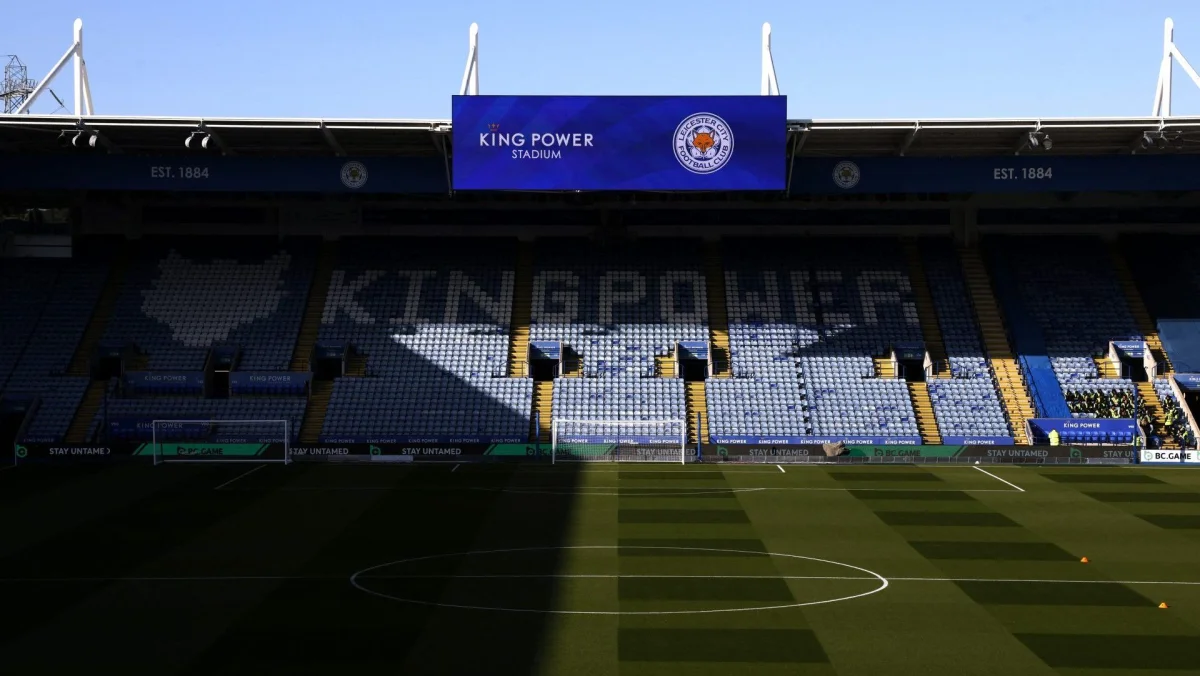
While the landscape of sports valuations continues to surge, driven by high-profile acquisitions like Jeff Bezos’ stake in Liverpool valued at up to £6 billion and Clearlake Capital’s buyout of Chelsea, Leicester’s asking price raises questions. Analysts suggest that determining a fair value for Leicester is complex, especially since restoring the club to its former glory could demand significant investments beyond the sale price.
Recent Performance Trends
Leicester’s trajectory has been anything but stable. Historically classified as a "yo-yo club," they have endured five promotions and five relegations during their time in the Premier League era. The peak of their success coincided with the 2015-16 season, where they defied the odds—bookmakers offering staggering odds of 5,000 to 1 for them to win the league—to finish first with 81 points. This remarkable victory not only meant they were crowned champions but also qualified them for the Champions League for the first time, where they had respectable runs, advancing past Sevilla but bowing out to Atletico Madrid in the quarter-finals.
Despite this success, Leicester was unable to retain their best players, with pivotal figures like N’Golo Kanté and Riyad Mahrez lured away by larger clubs. Financial mismanagement followed, leading to their eventual relegation in 2023. A further setback came in 2026 when the club was penalized with a six-point deduction due to financial misconduct, precipitating another relegation to League One.
Value Proposition Under Scrutiny
The investment rationale for Leicester City hinges primarily on its rich cultural history and the potential for growth. The sales prospectus emphasizes the substantial fanbase driven by the city’s size—only two larger UK cities boast a single professional team—alongside valuable assets, including a modern 32,000-seat stadium and a top-tier training facility. Furthermore, the club’s academy has developed a reputation for nurturing talent that can command significant transfer fees.
However, Kieran Maguire, a football finance expert from the University of Liverpool, expresses skepticism over the £200 million valuation, suggesting the figure might be too optimistic. A broker who opted not to represent the sale initially hinted at an even higher expectation of £300 million. The dynamics of previous sales for clubs in similar situations—like Sunderland and Reading, both purchased during their relegation to League One for around £30 million and £25 million respectively—suggest that Srivaddhanaprabha is pricing Leicester at a premium compared to market realities.
The Economics of Promotion
Reaching the Premier League is pivotal for financial survival in English football, given the lucrative broadcasting rights that come with participation. For instance, in the 2024-25 season, even the bottom-place team received £109 million. However, achieving promotion is fraught with challenges, particularly for a club like Leicester that is currently struggling in League One. Early indicators in the 2026-27 season show Leicester sitting in 14th place, which is not where they aspire to be, given their overwhelming revenue advantages over other teams in the division.
Even if Leicester manages to achieve promotion, the landscape in the Championship is marked by financial recklessness, as clubs often spend beyond their means in hopes of ascending to the Premier League. In the 2024-25 season, a staggering 13 out of 24 Championship teams overspent on wages relative to their total revenue, leading to a combined net loss of £436 million. This relentless pursuit of promotion could strain Leicester's financial stability further.
Challenges and Future Outlook
Escaping League One is only the first hurdle. For Leicester, the risk of competing in the Championship, where financial strategies and competitive methodologies are rapidly evolving, presents a daunting landscape. Adam Sommerfeld from Certus Capital notes the growing challenge of discovering competitive advantages, stating that the straightforward margins that once made promotions possible are now elusive. Potential investors must accept that losses may be necessary before reaping rewards, with no guarantees about how long this journey may take.
Examples from various clubs illustrate both hope and caution. The recent success of Ipswich Town, which achieved back-to-back promotions from League One to the Premier League, offers a glimpse of what’s possible. Conversely, it's crucial to remember that clubs like Leeds United and Nottingham Forest languished in the Championship for over a decade before returning to the top tier.
Conclusion
With increasing competition for lower-tier team investments and financial regulations tightening, Leicester City’s allure to potential investors is under significant scrutiny. The club's heritage can no longer bank on its past glory; prospects rely heavily on future investments and strategic maneuvers to return to the Premier League. As Aiyawatt Srivaddhanaprabha adjusts his expectations, it appears the club's lofty asking price will have to meet the sobering realities of its current state.


