Everton Explores Sale Opportunities After Revitalizing Club's Financial Health
- Gate
- Football
- Departs
- Crew
- Ben Horney
- Passengers
- 343
Everton is considering a sale or new investment options less than two years after the Friedkin Group stabilized the club, signaling a new chapter in its development.
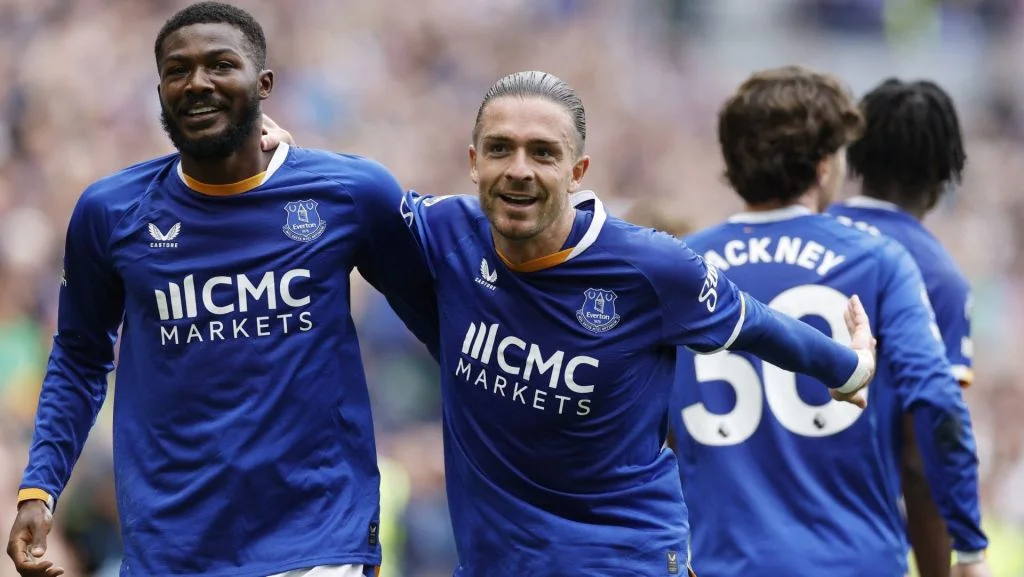
In a surprising strategic move, Premier League club Everton is exploring the possibility of a sale or new investment avenues, a little over a year and a half after The Friedkin Group stepped in to acquire the team during a tumultuous period. Announcing this development on Friday, Everton confirmed it has enlisted Moelis & Co. to explore “new investment options” that may include the “potential sale of a controlling interest.”
When the Friedkin Group took over Everton in December 2024, the club was entrenched in financial turmoil, posing a challenge not only for its management but also on the pitch. The ownership’s immediate focus, as indicated in their public statements, revolved around stabilizing the financial situation, managing debts, and pressing onward with the construction of a long-promised new stadium to enhance the experience for supporters. As of now, Everton boasts a more stable financial footing.
Recent financial reports have underscored this rebound, with the club announcing a record turnover of 196.7 million pounds for the last fiscal year, indicating a healthy increase of 9.8 million pounds from the previous year. These figures not only demonstrate the club's improved economic position but also suggest that it has weathered the storms brought on by prior mismanagement. Such stabilization allows Everton to engage in discussions regarding future ownership more confidently.
In its statements, the club emphasized its desire to work only with parties who will act as “the right stewards” to advance the club’s momentum, hinting at a careful vetting process should a sale or significant investment arise. While the Friedkin Group holds approximately 98.8% of Everton, sources say they may not completely exit the club even if they part with a controlling stake. They feel they have effectively accomplished their objectives of financial stabilization and the facilitation of their new home—now, they ponder the strategic decision of whether to inject more capital themselves or welcome a new investor who could help elevate Everton to its next phase of development.
The context of this exploration hinges on the club's revitalized prospects. Friedkin is now faced with two paths: commit additional resources to further improve the team's competitive standing or monetize its investment at what would likely be a higher valuation than when they acquired the club in 2024. One source familiar with the situation remarked that this phase is markedly different from Friedkin’s entrance; back then, Everton required urgent remedial action.
John Textor, a significant figure in international soccer ownership circles and an interested party in the past, expressed shock upon learning of Everton's news. Known for managing ownership stakes in teams such as Crystal Palace and Olympique Lyonnais, he questioned the motivations behind this sale exploration after Friedkin’s relatively short tenure. Textor described Friedkin, who possesses a considerable net worth estimated at $12.6 billion, as someone who appreciates the ownership of football clubs, highlighting the unexpected nature of the current discussions.
Moreover, the timing of this sale exploration aligns with recent investments from minority stakeholders, such as Christopher Sarofim, a part-owner of the NFL’s Houston Texans, and NBA legend Jason Kidd, who joined Everton’s ownership group earlier this year. The addition of these investors highlights a broader strategy aimed at diversifying the club’s financial support and strengthening its operational stability during a time of transition.
On the field, Everton is experiencing a promising start to the 2026–27 season, currently positioned in seventh place within the competitive Premier League structure. With a record of two wins and three draws, the team has yet to suffer a defeat this season, showcasing a level of competitiveness that fans desperately sought in recent years. Last season, the club finished 13th, a positioning that marked ongoing improvements compared to the more precarious rankings of the seasons prior.
While Everton has declined to provide further commentary on the matter, the atmosphere surrounding the club is ripe for speculation. As it sits at a crossroads, the outcome of these discussions could significantly reshape its strategic direction, both financially and competitively. Stakeholders will undoubtedly be monitoring how these developments unfold this season, with substantial implications for how the club navigates the early stages of its long-term vision amid the relentless pressures of Premier League play.
Ultimately, whether Everton remains under the ownership of the Friedkin Group or transitions to a new stewardship, the decisions made during this pivotal period could define the club's trajectory for years to come. The combination of on-field performance and off-field stability will be critical as the club seeks to maximize its potential in the highly competitive landscape of English football.


