Rene Lacoste's Historic Victory at the 1926 US Nationals: A Tennis Milestone
- Gate
- Basketball
- Departs
- Crew
- Alexandre Sokolowski
- Passengers
- 974
On September 18, 1926, Rene Lacoste triumphed over Jean Borotra to win his first US Nationals title, cementing the legacy of French tennis heroes.
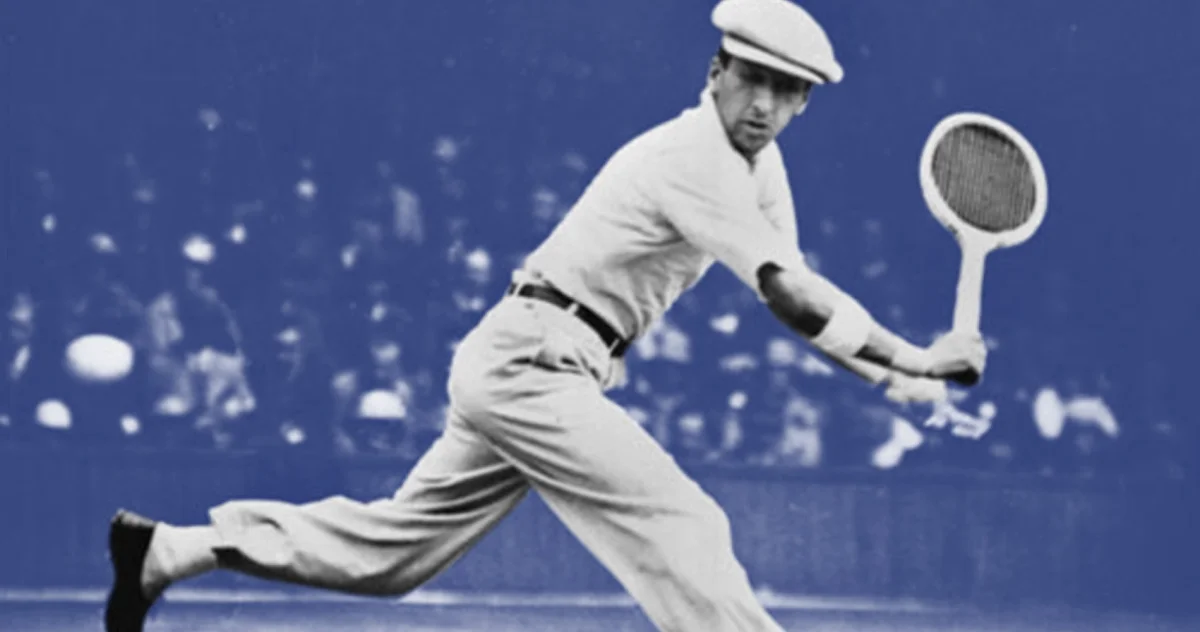
On September 18, 1926, tennis history was made as Rene Lacoste claimed the US Nationals title—now known as the US Open—by defeating fellow countryman Jean Borotra in an all-French final. The match ended with Lacoste winning convincingly in straight sets, 6-4, 6-0, 6-4. This marked a significant moment not just for Lacoste, but also for French tennis, as he became one of the prominent figures in a generation that would dominate the sport.
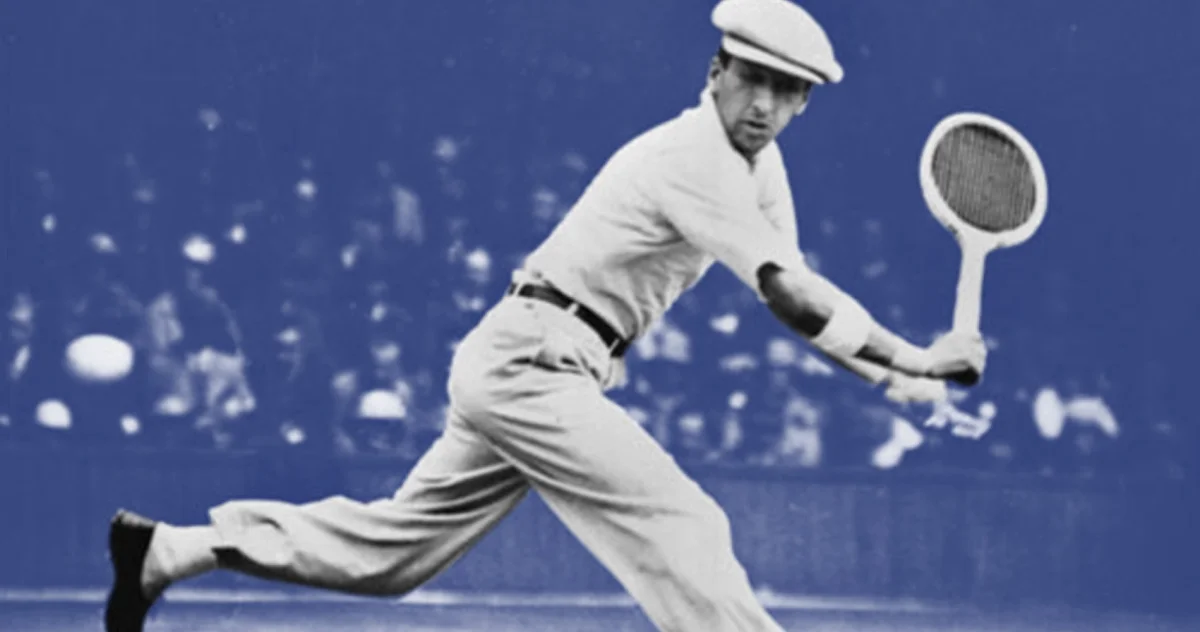
Context of the Match
This encounter was the fifth time Lacoste and Borotra, renowned members of the French Davis Cup team known as “the Four Musketeers,” met in a Grand Slam final. Lacoste now led their head-to-head matchup in finals, having won three of the five encounters. The 1926 event also signified the end of Bill Tilden's dominance at the US Nationals, as he had managed to secure the title six consecutive times from 1920 to 1925, making this victory for Lacoste particularly notable.

Rene Lacoste: The Champion
Known as "the Crocodile," Rene Lacoste's tenacity and competitive spirit earned him accolades and admiration in the world of tennis. Born in 1904, Lacoste not only excelled in singles but also made his mark in doubles alongside Borotra and their compatriots, Henri Cochet and Jacques Brugnon. His victory in 1926 added to his burgeoning legacy as he continued to make strides in the realm of professional tennis.

Jean Borotra: The Opponent
Jean Borotra, who earned the nickname “the Bouncing Basque,” was already an accomplished player by 1926. His playing style, characterized by an aggressive approach and exceptional athleticism, made him a formidable opponent. Together with Lacoste, Borotra had collaborated to win significant events, including titles at both the French Open and Wimbledon. Their spirited rivalry was marked by numerous high-stakes encounters, culminating in memorable matches—not just against each other, but also as doubles partners.

The Road to the Final
Leading up to the final, Lacoste showcased remarkable skill, particularly highlighted by his semi-final match against Henri Cochet. Lacoste came back from two sets down to ultimately win in a thrilling comeback, displaying resilience that highlighted his fighting spirit—a defining trait that ultimately contributed to his historic win over Borotra in the finals. Cochet's earlier upset of Tilden added another layer of drama to the tournament, as many had pointed to Tilden’s established prowess and record.

The Match Breakdown
The final itself was a stark contrast to many of their prior encounters, which often turned into labor-intensive five-set contests. Lacoste's performance in the 1926 final was clinical—he dominated the court with a mix of powerful serves and strategic play that overwhelmed Borotra. The straight-set victory underscored Lacoste's growing reputation as a major player on the international stage and signaled a transition in the era of tennis dominance.
The Aftermath and Legacy
Lacoste's victory marked the beginning of a new chapter in tennis, as he and Borotra would play significant roles in the French team's unprecedented success in the years that followed. Together with Cochet and Brugnon, they propelled the French team to five consecutive Davis Cup titles, with a cumulative tally of 18 Grand Slam singles titles and 23 doubles titles among the Four Musketeers. Lacoste himself would eventually step away from competitive tennis due to health challenges in 1929, but he left an indelible mark on the sport, notably through his contributions to tennis attire with the creation of the iconic Lacoste shirt featuring its crocodile logo.
Looking Forward
The victory at the US Nationals was just one milestone in Lacoste's storied career, but it serves as a reminder of the fierce competitiveness and enduring legacy of the Four Musketeers in tennis history. Their influence expanded beyond the courts, intertwining with the cultural fabric of tennis, shaping the expectations and aspirations of future generations.
This legendary match signifies a cornerstone in tennis, not just as a competitive showdown but as a beacon of the spirit of sportsmanship, perseverance, and the evolution of the game. As tennis continues to grow and evolve, the achievements of pioneers like Lacoste will always be cherished and remembered.


