Don Budge's Historic Grand Slam: The Day Tennis Changed Forever
- Gate
- Tennis
- Departs
- Crew
- Alexandre Sokolowski
- Passengers
- 732
On September 24, 1938, Don Budge made history by becoming the first player ever to achieve a Grand Slam, securing his place at the pinnacle of tennis.
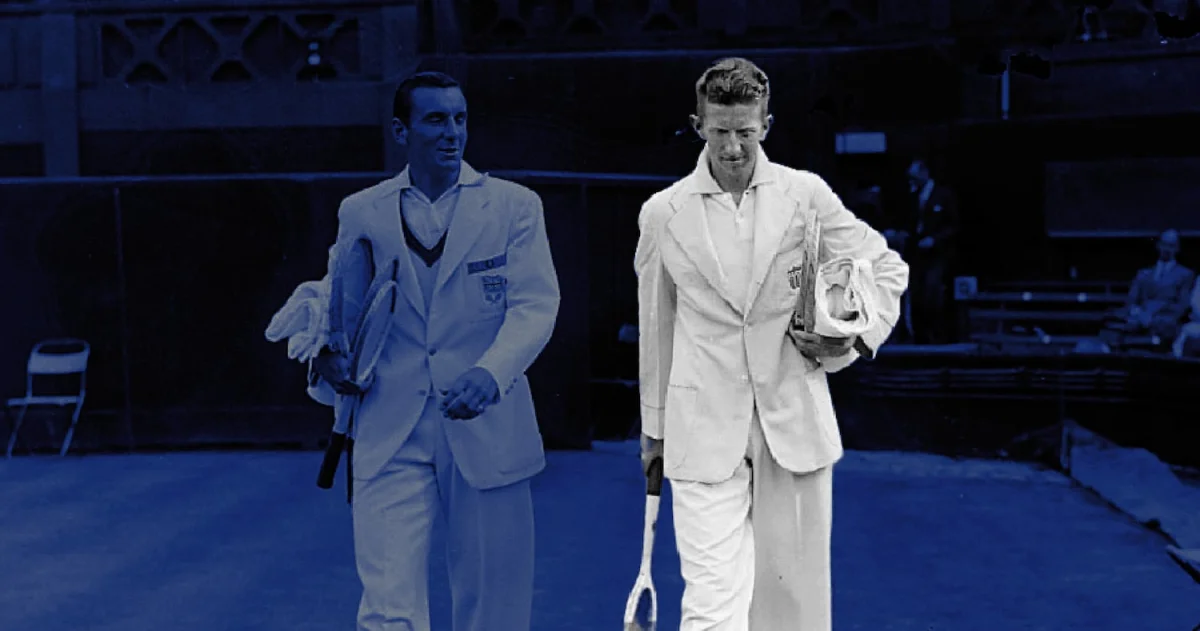
On September 24, 1938, tennis history was made when American Don Budge became the first player to complete the Grand Slam, clinching victories in all four major tournaments within a single calendar year. This remarkable achievement transpired at the US National Championships, known today as the US Open, where Budge overcame his doubles partner Gene Mako with a score of 6-3, 6-8, 6-2, 6-1.
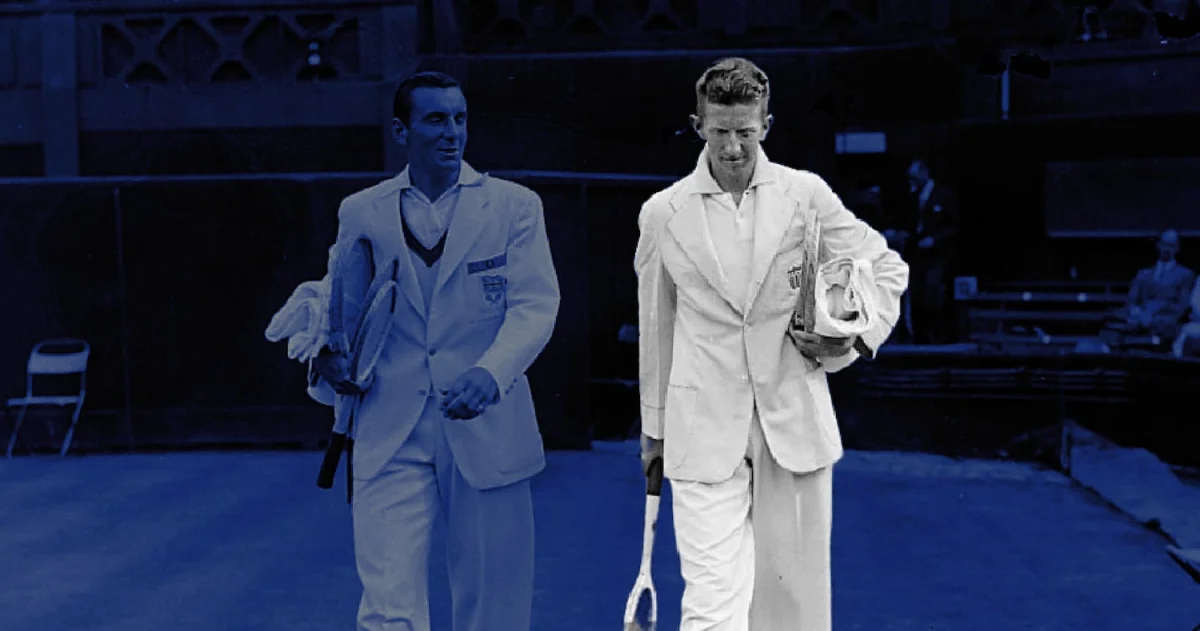
This victory not only marked the pinnacle of Budge's amateur career, but it also solidified his dominance in the sport at a time when the world was on the brink of war. His performance at the tournament was nothing short of remarkable, as he also won the doubles title with Mako and the mixed doubles championship alongside Alice Marble. Budge's complete dominance in the tournament underscored his position as the world No. 1, leaving no doubt about his status in amateur tennis.

The Road to Glory: Key Matches
Budge's journey to achieving the Grand Slam was filled with impressive performances throughout the year. He started strong by clinching the Australian Championships, defeating John Bromwich 6-4, 6-2, 6-1. His momentum continued at the French Championships, where he bested Roderich Menzel 6-3, 6-2, 6-4, before he showcased his prowess on grass by winning Wimbledon against Henry Austin in a commanding straight-sets victory of 6-1, 6-0, 6-3.
By the time he reached the US Nationals, the tennis world was abuzz with excitement, as Budge entered the event as the clear favorite. Yet, despite his string of straight-sets victories leading up to the final, the match against Mako proved to be a test of character. After taking a comfortable lead, Budge momentarily lost focus, allowing Mako to snatch the second set, before rebounding decisively to secure the championship. His ability to regroup under pressure exemplified why he was not just an exceptional player but also a formidable competitor.
The Players: A Closer Look
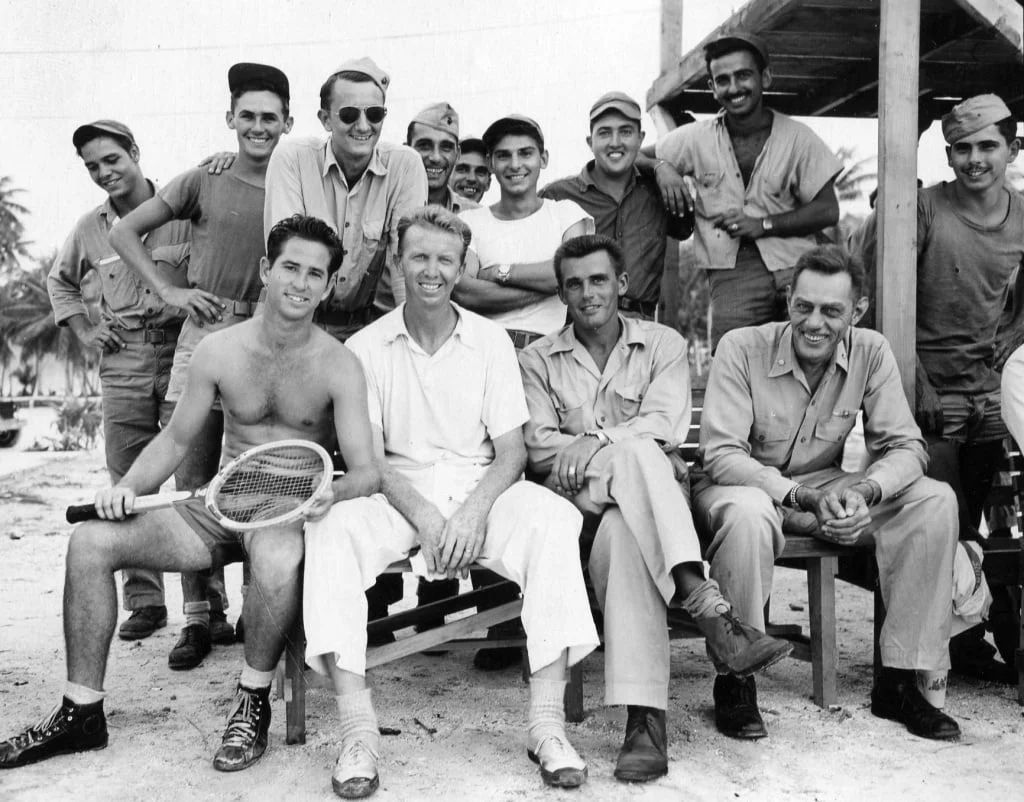
Don Budge, born in California in 1915, stood tall at 6 feet 1 inch and was known for his powerful serve. His transition from various sports to tennis bore fruit quickly as he dedicated himself to the game. After leaving the University of California, Berkeley, to join the US Davis Cup team in 1933, he took on the East Coast’s grass courts. His big break came in 1937 when he won Wimbledon, defeating German player Gottfried von Cramm in a final heralded as one of the greatest encounters of the era.

Meanwhile, Gene Mako, born in 1916, was known more for his doubles expertise. Despite being a formidable competitor in singles, his three Grand Slam doubles titles—including the US Nationals in 1936, and Wimbledon in both 1937 and 1938—demonstrated his special talent in team settings alongside Budge. The partnership between Budge and Mako proved pivotal, as it culminated in an unforgettable showdown during the historic Grand Slam final.

The Venue and Its Legacy
The US National Championships have a storied history dating back to 1881. Located initially at the Newport Casino before moving to New York in 1915, the tournament has become a cornerstone of American tennis culture. The final match in 1938 marked a turning point in tournament history, as it was Budge's last appearance as an amateur before turning pro. The US Nationals would continue evolving, but Budge's unprecedented achievement would forever frame its legacy.
What Came Next for Budge
Following his Grand Slam accomplishment, Budge turned professional at the end of 1938. His first match as a pro was memorable, as he bested Ellsworth Vines in front of a raucous crowd at Madison Square Garden, showcasing his continued supremacy over the sport. Over the next few years, Budge faced off against notable opponents, including a series of contests against fellow pro Fred Perry, where he emerged victorious in 28 of their 36 matches, further solidifying his legend.
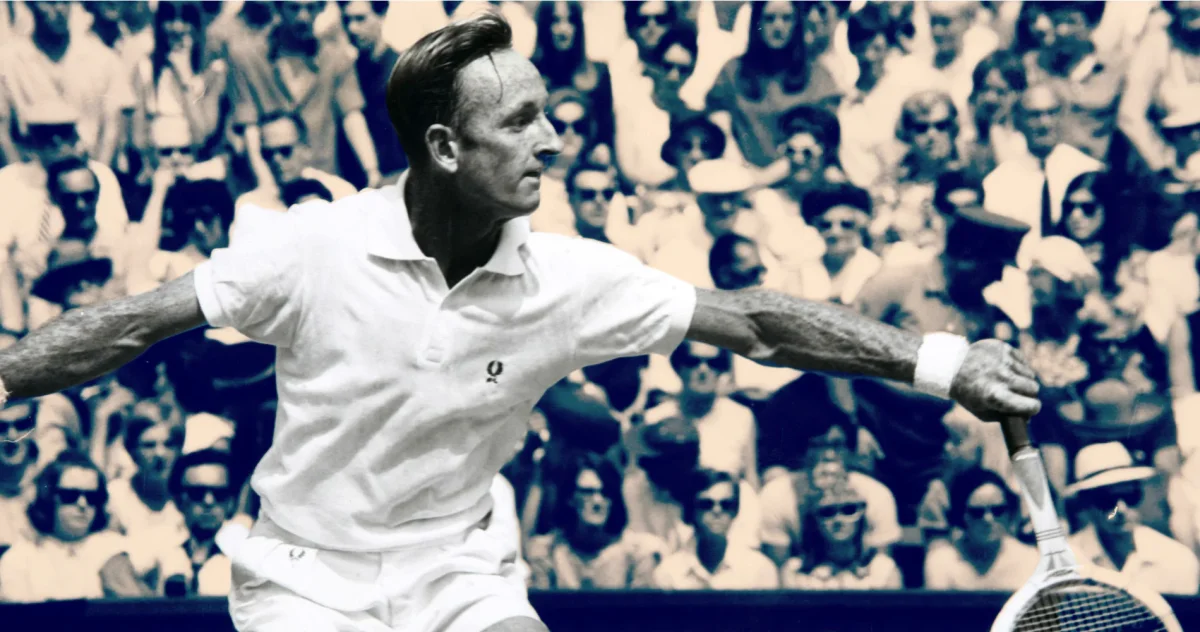
Budge often reflected on his career with a touch of curiosity as to how many more titles he could have gathered had he continued as an amateur. In the history of men's tennis, only one player, Rod Laver, would replicate his Grand Slam feat, achieving it twice—first as an amateur in 1962 and again as a professional in 1969.
Conclusion: A Lasting Impact
Don Budge's historic Grand Slam not only marked a high point in his career but also set a standard in tennis that would inspire future generations. As the sport has progressed through the decades, his legacy remains intact, forever celebrated as a pivotal moment in tennis history. A champion not only for his achievements but for what his journey represents in the evolution of the game itself.


