MLS Commissioner Dismisses Investigation into NYCFC Owners Despite Manchester City Violations
- Gate
- Football
- Departs
- Crew
- Eli Kronenberg
- Passengers
- 397
MLS Commissioner Don Garber has indicated that the league won't probe NYCFC's ownership amid Manchester City’s financial breach findings, setting a clear precedent on cross-league oversight.
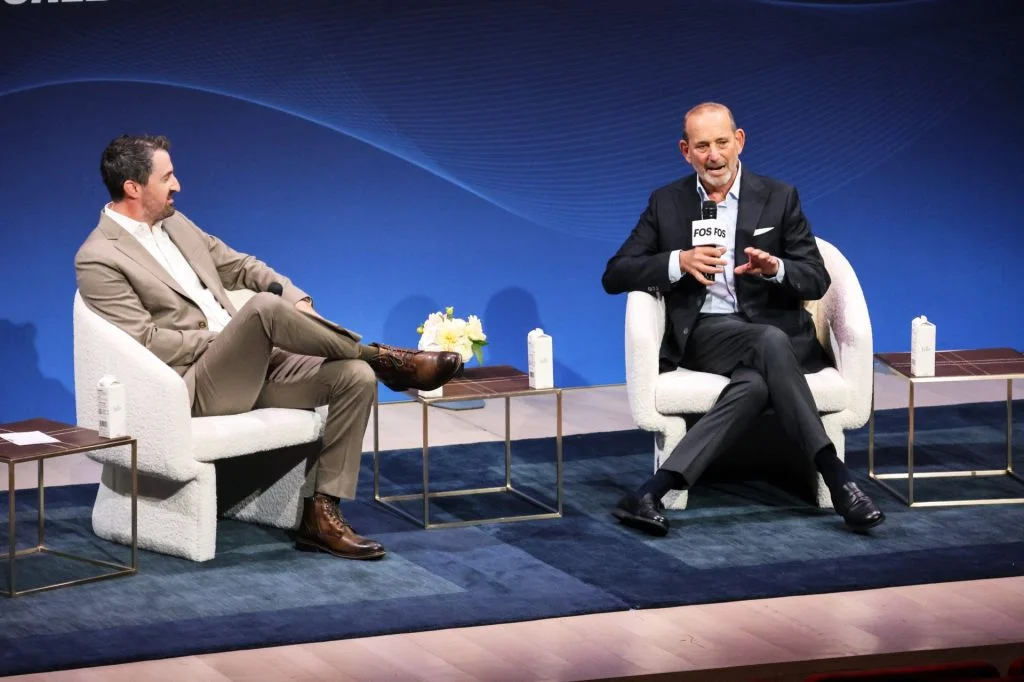
MLS Commissioner Don Garber has solidified his stance regarding the ownership structure of New York City FC (NYCFC) amidst the fallout from Manchester City’s recent guilty verdict in a financial misconduct case. Speaking at the Front Office Sports Tuned In summit in New York, Garber clarified that the league is unlikely to pursue any investigation into the behavior of NYCFC’s majority owners, tied to the Abu Dhabi royal family, particularly in light of Manchester City’s situation.
“We’re not in the business of looking [at] what our team owners do in other leagues,” Garber stated. This declaration underscores a pivotal aspect of how Major League Soccer (MLS) chooses to navigate potential fallout from another league’s governance issues. Garber emphasized that the interconnectivity of ownership across different sports doesn't typically warrant scrutiny unless direct violations within the league occur.
NYCFC, part of the City Football Group alongside Manchester City, is essentially part of a broader framework that has seen ownership extend across multiple clubs globally. Sheikh Mansour bin Zayed Al Nahyan, who acquired Manchester City in 2008, has strategically positioned the group to build a portfolio of clubs, which includes NYCFC since its establishment in 2013 through a partnership with the New York Yankees. This relationship goes beyond mere finances; it impacts team branding, operations, and even player recruitment.
In late September, the Premier League's independent commission found Manchester City guilty of serious financial breaches that took place from 2009 to 2018. The club was found to have inflated its revenue by over £900 million through misleading sponsorship agreements, which have since come under fire as "sham" contracts. These financial discrepancies allowed City to evade the league's Profitability and Sustainability Rules, which impose strict limits on club losses over a three-year period. Manchester City is currently appealing the ruling, aiming to mitigate the consequences of the decision.
Brand Identity and Ownership Structure
City Football Group maintains an 80% share in NYCFC, with the Yankees and businessman Marcelo Claure holding 10% each. This ownership structure has paved the way for a highly synchronized operational approach between NYCFC and Manchester City, particularly evident in player transfers and branding strategies. NYCFC's branding closely mirrors that of Manchester City, notably reflected in their sky-blue home kits and shared primary sponsor, Etihad Airways.
This close relationship was highlighted during NYCFC's formative years. One controversial moment occurred when over a year after it had been announced that Frank Lampard would play for NYCFC, it was revealed that he never signed an MLS contract. Manchester City utilized his services on loan before he joined NYCFC, an act that incensed fans who felt misled by the club's communications.
Future Prospects: Stadium Development and League Impact
Looking to the future, NYCFC is on the brink of opening the doors to Etihad Park, a new soccer-specific stadium slated for completion in July. This $780 million project, located in Queens near Citi Field, promises to bolster the club's homegrown atmosphere and further entrench it in the New York sports landscape. It will be a pivotal moment not only for NYCFC but for MLS as it sets a precedent for soccer-specific venues in the U.S.
Despite the ongoing issues at Manchester City, Garber expressed gratitude for the investments from City Football Group into not just NYCFC but also into the broader league structure, including a new training facility in New Jersey and the forthcoming stadium. He acknowledged the efforts of the City Football Group in enhancing the stature and competitiveness of MLS, remarking, “What NYCFC has done through their ownership, the City Football Group, in investing in our league, building a great team in NYCFC, building an MLS Next Pro Stadium in New Jersey, and obviously their stadium that’ll open up in Queens, is something we’re thankful for and appreciative of.”
As MLS looks to the future, the league's apparent disinterest in cross-league investigations suggests a focus on its own growth and development rather than engaging in a narrative shaped by outside pressures from other leagues. As NYCFC prepares for a new chapter with its stadium and potential roster changes, the implications of their ownership's actions in the Premier League may remain a distant concern in the eyes of MLS leadership.
In this context, fans and analysts alike will be watching how NYCFC navigates its own identity separate from Manchester City, particularly in light of how the latter's financial controversies may influence public perception and operational decisions moving forward.


