ICE's Detention of College Basketball Player Qingfang Pang Ignites Rising Concerns
- Gate
- Basketball
- Departs
- Crew
- Margaret Fleming
- Passengers
- 456
Mississippi Valley State's Qingfang Pang faces detention by ICE, highlighting ongoing issues for foreign athletes in U.S. colleges amid visa troubles.
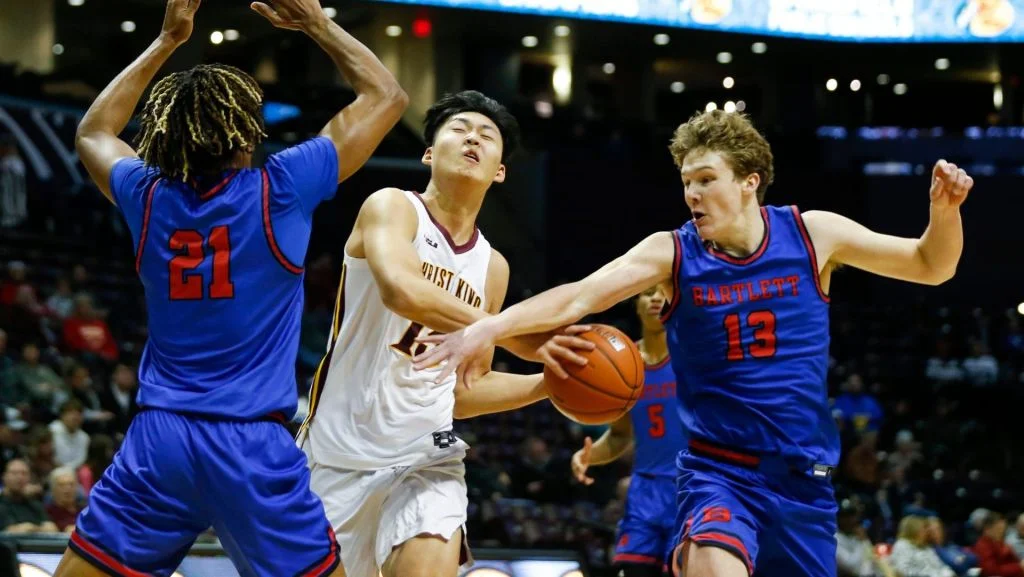
The recent detention of Qingfang Pang, a junior basketball player from Mississippi Valley State University (MVSU), has ignited discussions about immigration processes affecting collegiate athletes. On September 29, Pang, who stands 6 feet 9 inches tall and hails from China, was apprehended by Immigration and Customs Enforcement (ICE) while trying to travel from Jackson, Mississippi, to his visa sponsor in New York. His attorney, Marcus Session, has stated that Pang was unaware of the expiration of his student visa prior to this incident.
The situation surrounding Pang is indicative of a broader trend. This isn't an isolated case; several college basketball players in the United States have fallen under ICE's scrutiny in recent months. Notably, Aminata Seck, a player for the Kentucky State women's basketball team, spent two months in detention before being released on bond. Meanwhile, Deng Deng from Southern Connecticut State University was also detained briefly but has since been released as well. These cases highlight a growing concern among foreign student-athletes regarding their immigration status and the potential implications of being detained.
The MVSU administration has issued a statement expressing deep concern over Pang's detention. They are reportedly working closely with his family and legal representatives to provide adequate support as circumstances unfold. This incident not only raises questions about Pang's future but also highlights the precarious nature of legal status for international athletes who leave their home countries to compete in American colleges and universities.
Qingfang Pang's current status in custody is at Richwood Correctional Center in Louisiana, as confirmed by the ICE inmate locator. According to a Department of Homeland Security (DHS) spokesperson, Pang entered the U.S. legally on November 17, 2020, under a temporary option that was valid until September 5, 2024. However, confusion regarding his immigration records has complicated the situation. It has been reported that Pang involuntarily accepted voluntary departure, meaning he will remain in ICE custody pending his removal from the country.
Legal strategy is underway with efforts to secure Pang’s release on bond. Session claims that ICE required him to sign the voluntary departure document under duress, raising legal and ethical concerns regarding the process. His attorney is currently advocating for a reconsideration of his bond request as they aim for a swift resolution.
Pang enrolled at Mississippi Valley State after a two-year stint at Monroe College in New York, where he showed himself to be a capable athlete, starting nearly every game in his last season, averaging over eight points and four rebounds per game. The transition to MVSU's basketball program was supposed to be a new beginning, but instead, it has ushered in a daunting set of challenges. Tensions arise over the responsibilities of Monroe College, which stated they would have transferred his immigration records once a formal request from MVSU was received. They further emphasized that any claims of negligence on their part are unfounded.
His past academic and athletic experiences include time at Christ the King High School in Queens and St. Benedict’s Prep in Newark, New Jersey. High school representatives have not responded to inquiries regarding the situation. This silence from educational institutions raises questions about their responsibilities towards international students, especially when legal issues arise.
Pang's case has caught the attention of several lawmakers, led by Senator Roger Wicker (R, Miss.), who is advocating for a closer examination of his situation. The involvement of Congress suggests that this case might evolve into a larger dialogue around the treatment of international athletes, potentially leading to policy shifts or legislative action intended to protect their rights and ensure their proper representation during complex immigration processes.
The implications of Pang’s plight extend beyond his personal circumstances; they reflect alarming trends in how international athletes navigate these waters in the U.S. sporting landscape. As the collegiate athletic system increasingly relies on diverse talent pools, understanding the immigration complexities is vital. This incident serves as a stark reminder of the challenges that foreign athletes face and highlights a pressing need for greater support and clarity in immigration policies affecting student-athletes.
In the meantime, as the MVSU community rallies around Pang, the spotlight on this incident may catalyze discussions about better protections for international athletes, ensuring that they can focus on their education and sports without the looming threat of detention or deportation.


