Elle Duncan Highlights Toxic Atmosphere in WNBA Amid Culture Wars
- Gate
- Football
- Departs
- Crew
- Yanyan Li
- Passengers
- 545
Elle Duncan addresses the challenges facing Black and queer athletes in the WNBA, calling for change amid a toxic environment fueled by divisive narratives.
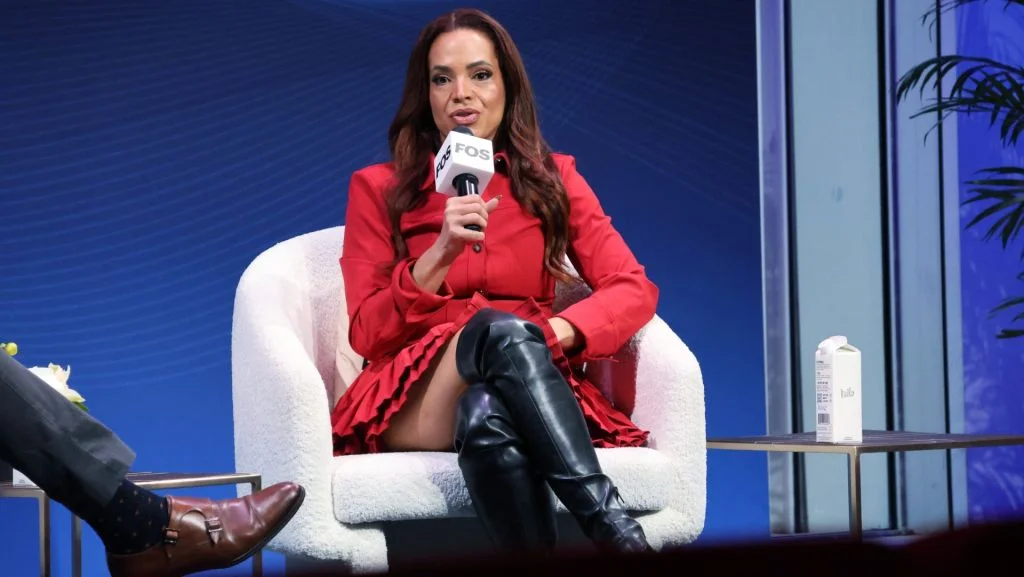
Elle Duncan, the lead studio host for USA Network's WNBA coverage, has voiced serious concerns about the toxic culture within the league, attributing the challenges faced by Black and queer players to a larger societal trend. In a powerful discussion at the Tuned In summit hosted by Front Office Sports, Duncan articulated that WNBA players, particularly those from marginalized backgrounds, often become subjects of undue criticism in a sport that's supposed to celebrate diversity.
“It feels like open season to dunk on Black women because we do not have protection. Because no one cares. Because we are low-hanging fruit,” Duncan stated emphatically. Her comments reflect a widespread sentiment among players and commentators that Black women in sports, particularly in the WNBA, are often left vulnerable to harsh criticism and racist rhetoric, with few advocates to defend them.
Duncan's experiences aren't unique. Since Caitlin Clark's emergence in the league in 2024, she has become a focal point for discussions about representation and fairness within the WNBA. The increased attention to Clark has, paradoxically, shifted the spotlight away from numerous talented Black players, leading to a perception of inequity in how coverage and praise are distributed. This has fueled resentment among those who feel marginalized.
Many players have spoken out about the backlash they’ve faced involving Clark, notably during a tumultuous playoff series between the Indiana Fever and the Connecticut Sun. DiJonai Carrington, a former Sun guard, revealed a disturbing email she received featuring racial slurs along with threats following an altercation involving Clark. Teammate Alyssa Thomas also highlighted the racial abuse directed at her, including death threats stemming from a suspension for a foul on Clark. Duncan explained how this incident illustrates a troubling trend where media narratives uplift one player while vilifying others.
“It's twofold for them—so you get to lift this one person up, and you get to, ultimately, reduce everybody else that isn’t her to nothing,” Duncan explained. This bifurcation in media representation not only diminishes the achievements of Black players but also perpetuates a cycle of negativity that can lead to real-world consequences, both online and off.
Elle Duncan says covering the WNBA is "toxic as hell."
— Front Office Sports (@FOS) October 13, 2026
Here's her full reason why. pic.twitter.com/bQ0iAlW8CJ
The Role of Media and the Need for Allies
Duncan believes that the media landscape surrounding the WNBA is marred by opportunism that targets Black and queer women while promoting narratives that are not only unfair but also harmful. She noted her own experiences with derogatory comments suggesting her success is due to being a "DEI hire," which trivializes her hard work and contributions. Duncan encapsulates a frustration many face in sports media when they encounter skepticism about their qualifications and achievements simply because of their racial and gender identities.
“It’s frustrating to talk about because I know this is going to get clipped. This is going to be me saying goodbye to my mentions for the next couple of days,” she lamented. “But it’s going to be me lamenting that being a Black woman is so hard, and someone’s going to tweet at me that I work at Netflix and I’m fine and I don’t have any struggles in my life.” This narrative illustrates not only the personal toll of media criticism but also the systemic issues that perpetuate racism and sexism in sports commentary.
Looking Ahead: The Next Commissioner's Critical Role
As the WNBA looks towards a future with a new commissioner—Cathy Engelbert is set to retire post-2026 season—Duncan urges that the incoming leader should focus on healing the divide between players and the league's ownership while fostering a supportive environment for all athletes. Duncan insists, “The goal of the next commissioner should be twofold. The first thing is figuring out how we work on this divisiveness, how we wrestle the narrative back. The second thing would be connecting the players and owners.”
Current players have echoed similar sentiments about Engelbert's tenure, with reigning MVP A’ja Wilson noting that her interactions with the commissioner mostly revolve around award presentations, lacking deeper engagement with player interests. Duncan emphasizes that the new commissioner needs grounded knowledge of basketball, proposing that someone with experience in the sport can bridge the gap and advocate better for players' rights.
Ultimately, the pressure is on for the WNBA to confront these critical issues that impact its athletes beyond the court. As Duncan navigates her own challenges in the media landscape, she remains hopeful for a league that listens to its players and fights against the systemic issues that have plagued it for too long. Her call for unified action is both a plea and a pathway toward a more equitable future in women's sports.


