Stan Smith Makes History: First US Open Final Ends in a Tiebreak
- Gate
- Basketball
- Departs
- Crew
- Alexandre Sokolowski
- Passengers
- 988
On September 15, 1971, Stan Smith won his first Grand Slam title at the US Open, marking the first time a final was decided by a tiebreak.
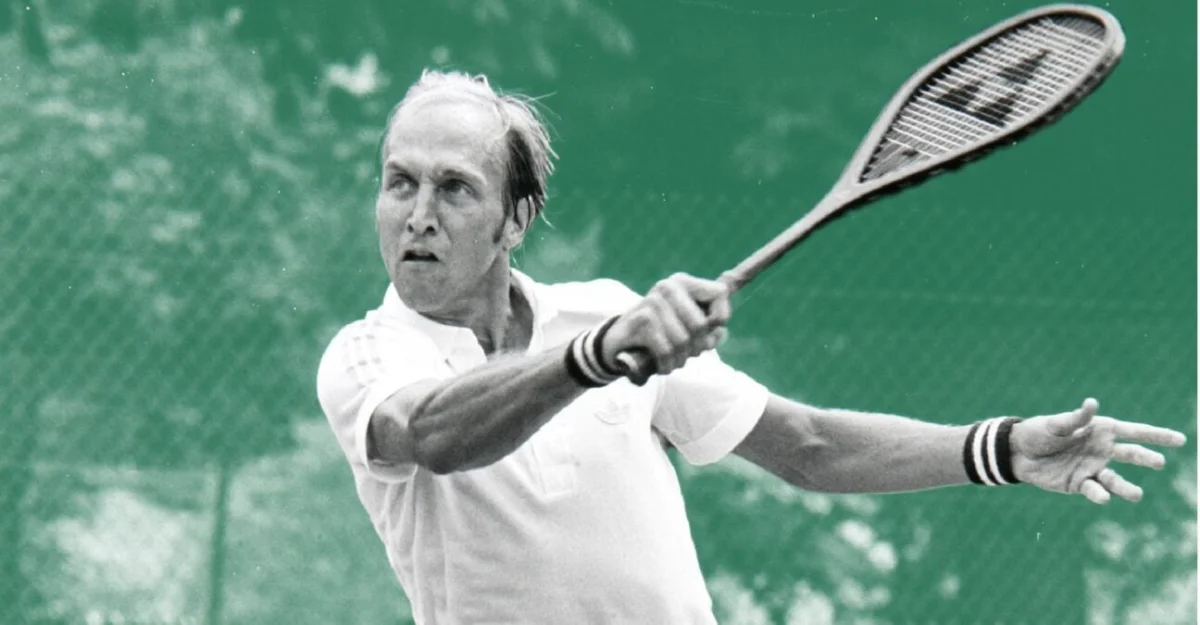
September 15, 1971, stands as a pivotal moment in tennis history, as it marked the first time a Grand Slam final culminated in a tiebreaker. In that memorable US Open final, Stan Smith triumphed over Jan Kodes with a scoreline of 3-6, 6-3, 6-2, 7-6, etching his name in the annals of the sport.
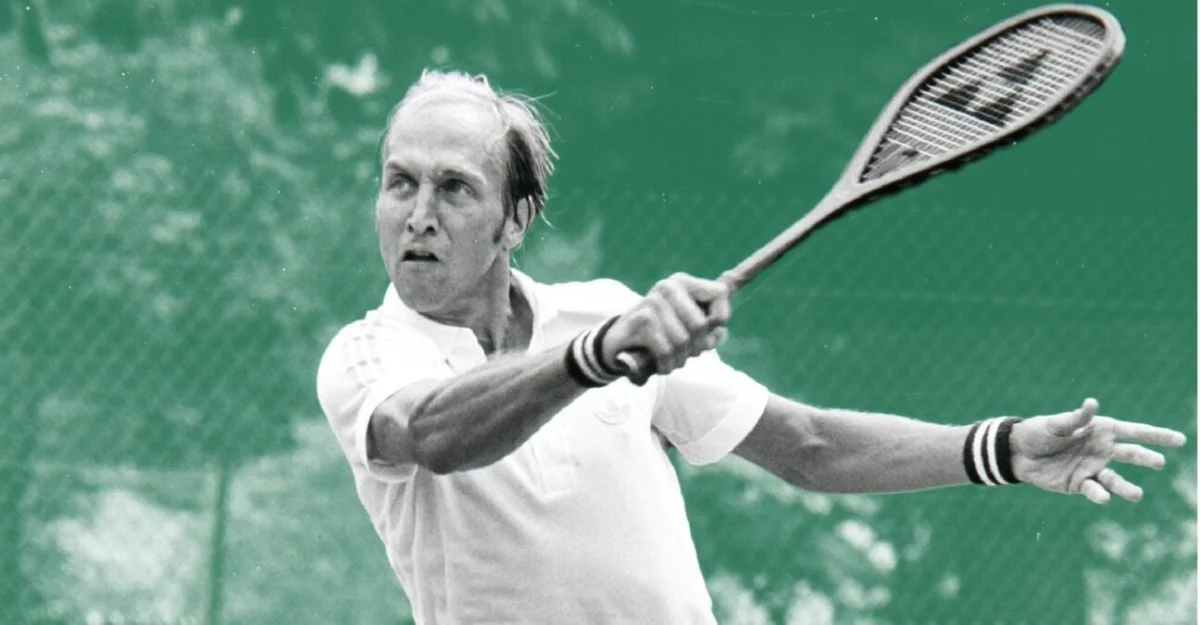
Final Showdown at Flushing Meadows
The 1971 US Open took place at the iconic Forest Hills venue, where the traditions of grass court play merged with intense competition. As both players walked onto the court, they were aware of the stakes—not just a title, but the historical significance of the match in which the new tiebreak format would be put to the test in a Grand Slam final.

Stan Smith: Rising Star and Tactical Pioneer
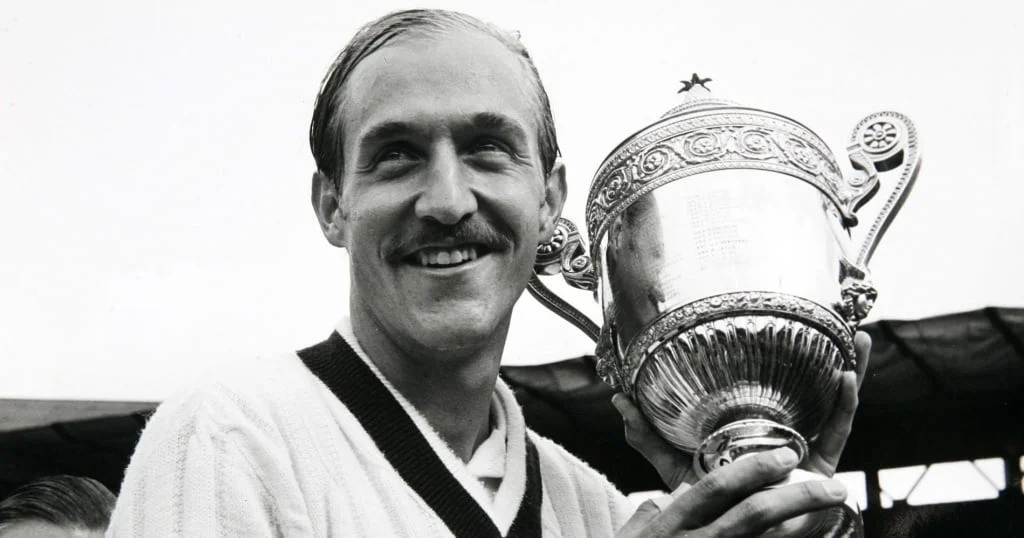
Stan Smith, born in Southern California in 1946, was already an established player by 1971, having secured 11 singles titles prior to this final. Notably, he had demonstrated his prowess on various surfaces, defeating notable players like Arthur Ashe and Rod Laver. In approaching the final against Kodes, Smith initially employed a serve-and-volley strategy, confident that he could outpace Kodes, known for his baseline play.
Jan Kodes: The Czech Champion
Jan Kodes was no stranger to high-stakes matches, having clinched the Roland-Garros title twice. Even with a reputation rooted in clay, Kodes entered the final with momentum, having dispatched Arthur Ashe in the semifinals. Despite his struggles on grass surfaces, he showcased his resilience, taking the first set from Smith, which sent a strong message about his competitive spirit.

The Match Unfolds: A Battle of Adjustments
Kodes, employing consistent backhand strokes, took the first set 6-3, surprising Smith and suggesting that the American's game plan needed an overhaul. “I changed strategy after the first set,” Smith later explained, acknowledging Kodes’ ability to return his serves effectively.

Answering this challenge, Smith adjusted his approach, focusing on incorporating more variety in his serves and mixing in slower balls to disrupt Kodes' rhythm. This shift paid off, with Smith exhibiting his superior talent, winning the next two sets 6-3 and 6-2.
A Historic Tiebreak Decider
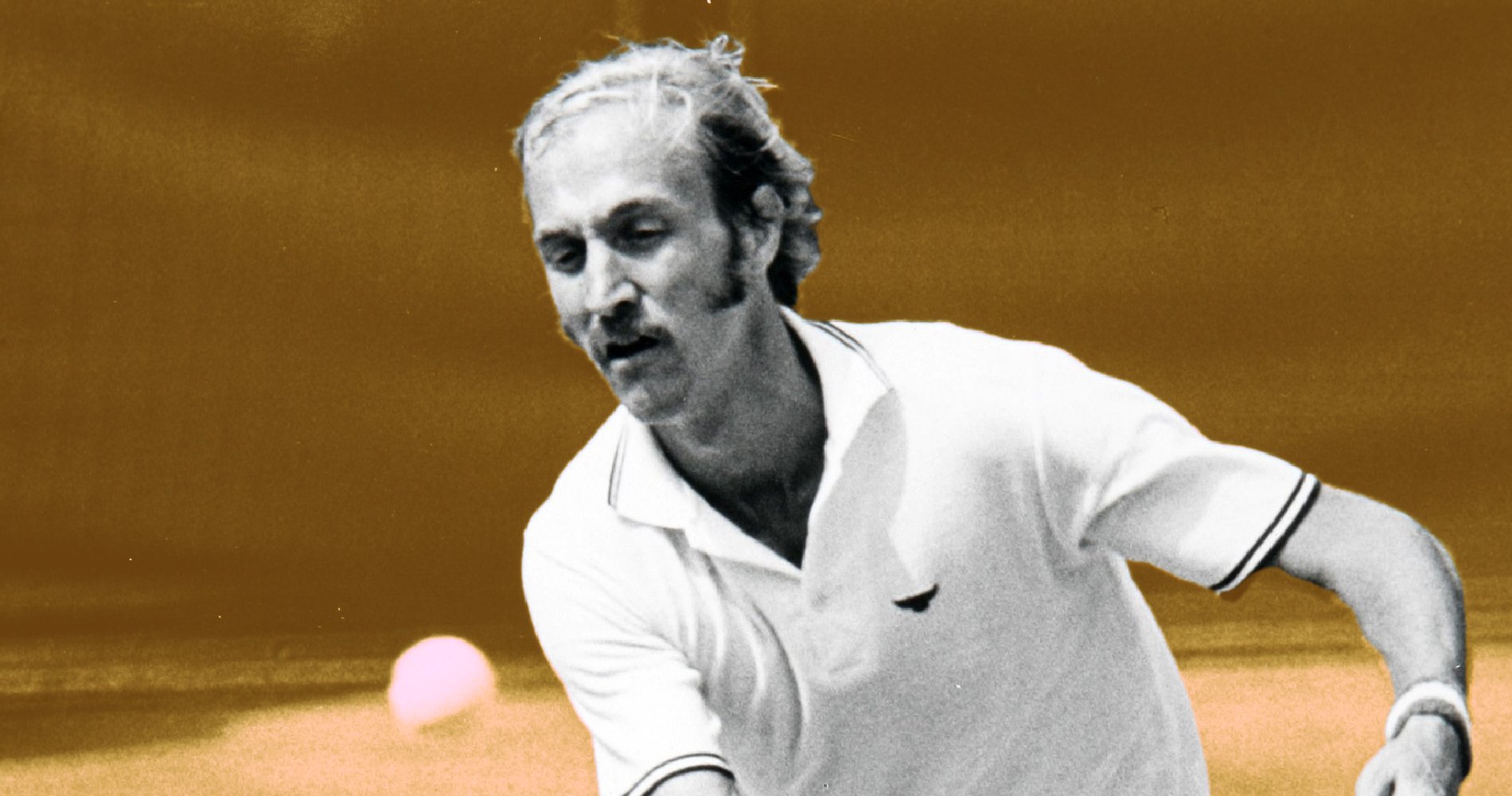
As the fourth set unfolded, Kodes refused to yield. Both players exhibited commendable resilience, battling to a 6-6 stalemate, which brought them to the inaugural tiebreak format introduced in the previous year. Unlike the traditional tiebreak widely recognized today, this was a 9-point playoff format where the first to win five points would seize the set.
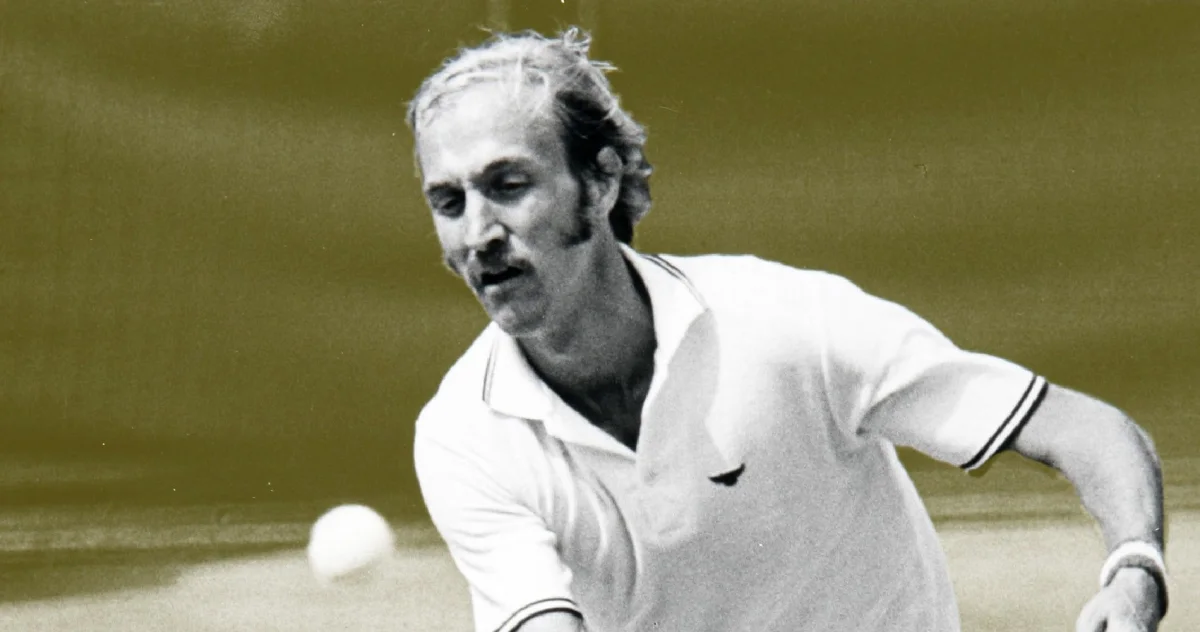
Launching into the tiebreak, Smith demonstrated his mental toughness. He quickly seized control, showcasing powerful serves and strategic placements that unbalanced Kodes, ultimately clinching the match with an emphatic overhead winner. Overwhelmed with joy, he celebrated his first Grand Slam victory.

Legacy of the Match and Players
Stan Smith's victory at the 1971 US Open not only provided him with his first Grand Slam title but also paved the way for an illustrious career. He would go on to win Wimbledon the following year against Ilie Nastase, solidifying his status as one of the leading figures in tennis. His career totals include 37 titles, leaving an indelible mark on the sport.
Meanwhile, Jan Kodes, although falling short, continued to find success, adding another Grand Slam title in 1973 at Wimbledon. Kodes would be recognized for his consistent gameplay, although he would remain overshadowed by the likes of Smith and other contemporaries.
The Implications of the Tiebreak
The introduction of the tiebreak in the final sets of Grand Slam matches not only altered the dynamics of how matches played out but also changed tournament strategies fundamentally. Player advocates embraced the decision, citing reduced match duration and enhanced viewer engagement, which has persisted into modern tennis.
As we reflect on Smith's triumph on that historic day, it becomes apparent that the effects of the 1971 final transcend mere statistics. It marked the beginning of a new era in tennis, emphasizing strategic adaptations and mental fortitude as key components of success on the international stage.
Conclusion: A Moment to Remember
The match between Smith and Kodes at the US Open is an enduring reminder of the drama and excitement the sport can offer. As the players continue to inspire current and future generations, this final represents a unique crossroads in tennis history—one that acknowledges the skills on display and the evolving nature of the game itself.


