Atlanta City FC Sets New Standard for NWSL Expansion with Thoughtful Branding
- Gate
- Football
- Departs
- Crew
- Margaret Fleming
- Passengers
- 749
Atlanta City FC aims to avoid pitfalls of past NWSL expansions with a fan-driven identity and a commitment to community engagement as they enter in 2028.
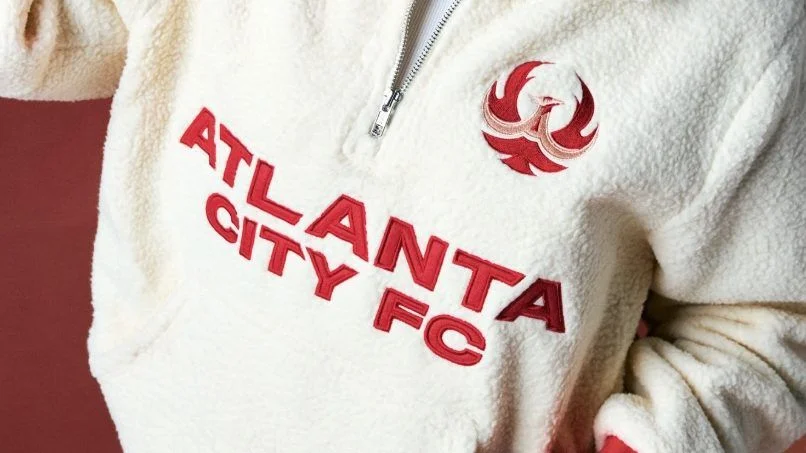
The National Women’s Soccer League (NWSL) has seen its fair share of expansion blunders in branding and identity, but Atlanta City FC is determined to break that cycle ahead of its entry into the league in 2028. The club officially introduced itself with a name, crest, and branding that reflect the rich traditions and community spirit of Atlanta.
The NWSL’s history of missteps in launching new teams is well-documented. In 2020, Louisville’s original team name, Proof Louisville, drew criticism for its connection to the local bourbon industry, prompting a last-minute rebranding to Racing Louisville. More recently, the 2024 Boston expansion team initially branded itself as Bos Nation FC—a puzzling anagram—before quickly pivoting to Boston Legacy amid public backlash against the launch’s promotional misdirection, notably the infamous “Too Many Balls” campaign.
Recognizing these past pitfalls, Atlanta City FC’s leadership emphasized a community-focused approach in their branding efforts. Deandra Duggans, the club's chief business officer, highlighted how they engaged deeply with the local fanbase and stakeholders throughout the branding process. “We did a lot of work to try to learn best practices from teams that came before us,” she explained, showcasing their commitment to avoid repeating prior mistakes.
The club’s outreach included comprehensive surveys and discussions with thousands of potential fans, including prospective season ticket holders, women’s sports advocates, local influencers, and even Atlanta's mayor, Andre Dickens. This extensive engagement was backed by an external agency for initial research, but Duggans and her team took the reins for the creative output, ensuring the name resonated with the community. “That was the name that gave us the most flexibility to include all of the elements that all of our fans said that they wanted,” she stated, confirming the inclusivity of their process.
At the heart of their branding is the team crest, prominently featuring a phoenix that aligns with Atlanta’s historical narrative of resilience—stemming from its reconstruction after the devastation of the Civil War. Complementing the phoenix is a dogwood blossom, nodding to Georgia’s state flower. The club’s colors—red, derived from the city’s prominent sports teams like the Braves, Falcons, and Hawks, and peach—further embed Atlanta’s identity into the club’s visual representation.
Duggans’ vision for merchandise is equally forward-thinking. “The fanbase craves merch and wants trendy, fashion-forward styles,” she said, directing the club’s efforts toward collaborations with brands like Togethxr and Peace Collective to ensure that their offerings stand out in a competitive market. “They don’t want things that they could just find at Dick’s Sporting Goods,” she added, underscoring the desire for uniqueness in the merchandise the team offers.
The name “City Football Club” is becoming increasingly popular in global soccer contexts, but it remains relatively rare among North American teams. While some associate “City FC” with Angel City FC in the NWSL, the name distinguishes itself in a crowded market dominated by more conventional naming conventions. Atlanta City FC’s choice reflects a broader connection to soccer culture while maintaining a strong local presence.
Financially backing the new franchise is billionaire Arthur Blank, the founder of Home Depot, who already owns the NFL’s Atlanta Falcons and MLS’s Atlanta United. His involvement represents an important stability factor for the new franchise, especially since Blank appears committed to investing in local sports. The hefty expansion fee of $165 million further illustrates the serious intent behind this project. Blank has been instrumental in fostering sports development in Atlanta, evidenced recently by his $50 million donation to U.S. Soccer’s national training center.
On the infrastructure side, Atlanta City FC is in the process of developing a new training facility and will host its matches at the state-of-the-art Mercedes-Benz Stadium—home to both the Falcons and Atlanta United. While the stadium can seat over 70,000 fans, it will be interesting to see how the NWSL's new team can tap into United's successful average attendance of around 40,000 to build excitement and loyalty from the local fanbase.
In summary, as Atlanta City FC gears up to enter the NWSL in 2028, its commitment to community engagement, thoughtful branding, and integration into Atlanta's cultural landscape sets a promising precedent for future expansions. If they succeed in solidifying a unique identity and fostering a passionate following, they could well redefine what it means to launch a new franchise in the league.


