Post-World Cup Surge Boosts Soccer's Appeal Among Young Fans
- Gate
- Basketball
- Departs
- Crew
- Eric Fisher
- Passengers
- 939
Soccer viewership has soared post-World Cup, with significant increases among young audiences, signaling an exciting growth phase for U.S. leagues.
Soccer’s post-World Cup viewership surge is not just significant; it’s setting the tone for a transformative period for leagues and networks involved. As the dust settles on Spain's championship victory at the 2026 FIFA Men’s World Cup nearly three months ago, Nielsen's findings illuminate a clear trend: soccer's popularity in the U.S. among young demographics is taking off.
According to exclusive research presented at the Front Office Sports Tuned In summit, the data shows remarkable viewership spikes across various soccer leagues. Specifically, Nielsen reported:
- Major League Soccer (MLS) matches on Fox and FS1 witness a staggering 55% increase in audiences among men aged 18-34 and a 29% boost among adults in the same age bracket compared to pre-tournament regular-season games. Notably, this data excludes MLS coverage via Apple TV, which moved behind a paywall earlier this year.
- Viewership for England's Premier League on NBC and the USA Network has grown by 30% among adults aged 18-34, including Spanish broadcasts, suggesting a broader appeal across multiple language offerings.
- Spain's LaLiga is experiencing robust growth as well, with audiences on ESPN's platforms up 60% among adults 18-34 and an impressive 42% year-over-year increase across all broadcasts.
The overall landscape reveals that the number of U.S. residents identifying as soccer fans has jumped from 66.8 million in July 2025 to 75.2 million in July 2026—a remarkable 13% growth. Even more striking, since 2022, soccer fandom in the U.S. has seen a 27% rise, equating to around 16 million additional fans; MLS fandom alone surged by 28%, or approximately 11.7 million fans.
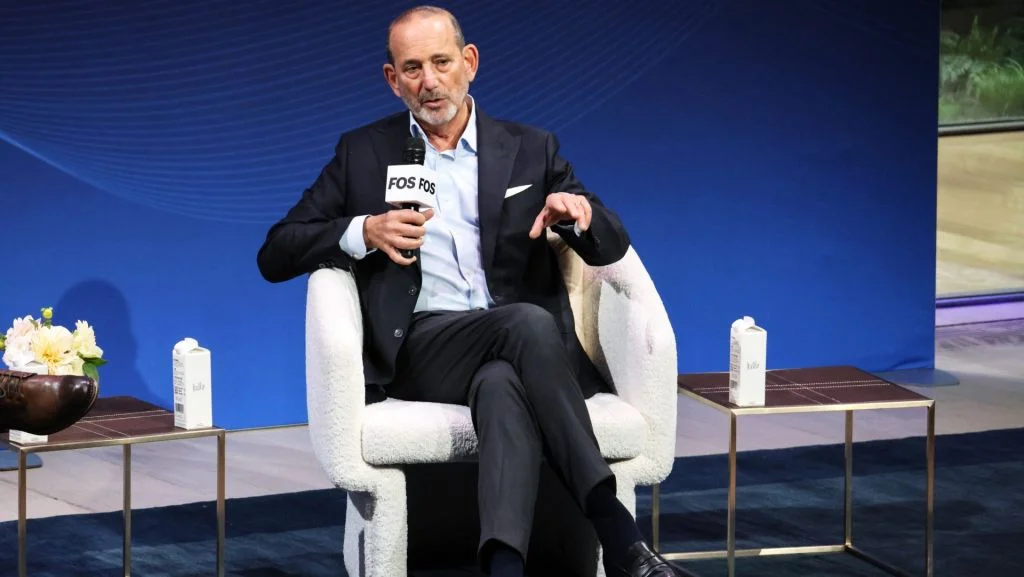
MLS Commissioner Don Garber highlighted this momentum during the Tuned In summit, indicating that the groundwork for this growth was laid long before the recent championship. "The journey started when the World Cup was granted—it didn’t start this summer," he stated. Garber emphasized that the league's primary aim has always been about building a viable market where locals can invest their passions and see a product worth their time, which ultimately comes down to financial investment and development within the sport.
This surge in viewership and fandom aligns closely with the World Cup's record-breaking U.S. television ratings. Notably, Fox reported a staggering 116% increase in viewership compared to the last World Cup, achieving an average of 7.74 million viewers throughout the tournament. Meanwhile, viewership on Telemundo soared 143%, averaging 6.3 million viewers.
The historic title match between Spain and Argentina on July 19 further exemplified this leap in interest, as it drew in an average of 66.4 million viewers—the most-watched soccer match ever in U.S. history and the largest audience on American television since Super Bowl LX.
Seth Ladetsky, Nielsen's global head of sports, pointed out that the data showcases not only a record-high fandom but a rapid expansion among diverse and younger audiences, seamlessly transferring that excitement into major domestic leagues and international competitions.
In response to this growing interest, leagues like MLS have initiated proactive strategies to capture and sustain fan engagement. The league launched an expansive marketing campaign—titled “Thanks World, We’ll Take It From Here”—aimed at leveraging the influx of new fans generated by the World Cup. This campaign seeks to create a connection with those who have recently discovered or reignited their enthusiasm for soccer.
This increase in interest is translating into tangible success for teams. Reports from various clubs indicate a marked uptick in ticket and merchandise sales in the immediate aftermath of the World Cup. For instance, the Philadelphia Union noted a dramatic 218% increase in single-game ticket sales since the tournament's start, while Nashville SC experienced a 161% rise in online ticket sales during the same timeframe.
Soccer's ascendance in American sports culture is thrilling for stakeholders across the board—leagues, broadcasters, sponsors, and fans alike. The implications for this newfound popularity are vast; it could influence league television deals, advertising revenues, and even player recruitment strategies as the demographic landscape shifts and expands.
As the dust settles and the leagues look to capitalize on this surge, the challenge will be to maintain and expand this fan interest. The post-World Cup dynamics create a significant opportunity for continued growth and engagement around the sport in the U.S., setting the stage for a vibrant future for soccer in North America.


