Mike Tirico Advocates for Enhanced Flex Scheduling in NFL Matches
- Gate
- Football
- Departs
- Crew
- Mark Maske
- Passengers
- 847
Mike Tirico proposes a Premier League-style scheduling model for NFL games, aiming to improve fan experience and game visibility throughout the season.
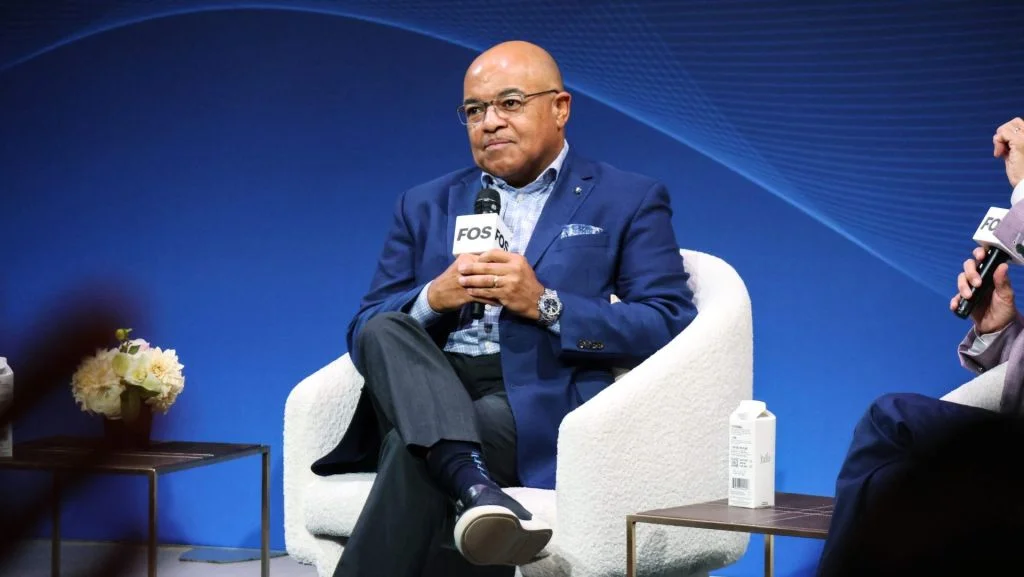
As the NFL continues to dominate the American sporting landscape, Mike Tirico—NBC's play-by-play voice for Sunday Night Football—is calling for a more strategic use of flex scheduling in the league. During a panel discussion at the FOS Tuned In summit in New York, Tirico shared his vision for a revamped scheduling process, which he believes could significantly enhance viewer engagement and satisfaction.
A New Approach to Scheduling
Tirico's suggestion is reminiscent of how the Premier League structures its fixtures. He emphasizes that the NFL could benefit from a similar blueprint, where match windows are established weeks in advance. “I would lay it out like the Premier League,” Tirico declared. “Hey, here is Match Window 14, and here are the fixtures for that matchweek.” By adopting this strategy, the NFL could assign specific time slots for games several weeks ahead of time, allowing fans to anticipate which matchups will be broadcast during key viewing periods.
This method not only enhances planning for networks but also increases opportunities for high-stakes games to air during prime viewing hours. For instance, having marquee matchups scheduled for late Sunday afternoon and Sunday night could maximize viewership, especially as fans often seek compelling games on the season's final stretch. Tirico highlighted, “You want a good game at 4:25 Eastern time when it’s standing alone.”
Optimizing the Viewer Experience
Tirico’s push for a more defined scheduling framework seeks to ensure that fans have access to the most exciting games when they are most able to watch. In its current form, the NFL’s use of flex scheduling is relatively limited and reactive, moving certain games into different time slots based on their potential appeal. However, by planning several weeks out, the league could leave room for flexibility without sacrificing quality.
“It gives you a chance to do better because at the end of the day, flex…whether it’s Monday night, Sunday night, Thursday has some flex opportunities as well,” Tirico explained. This perspective underscores the reality that fan satisfaction could be prioritized through careful game placement, especially in the context of today's demanding sports consumption environment, where the competition for viewers is escalating.
Current Flex Scheduling Practices
The NFL currently employs its flex scheduling strategy primarily for Sunday night games, where matchups can be shifted depending on their significance as the season progresses. Yet, this flexibility doesn't extend sufficiently to other opportunities, such as Monday Night Football or Thursday Night Football, where games could also be headline-worthy but often lack the star power needed to attract a sizeable audience.
While the current system does work to some degree, it can feel reactionary rather than proactive. Many fans and analysts believe that a more strategic approach, as advocated by Tirico, could bolster the league's viewership ratings further. This is important as the NFL aims to maintain its status as the top spectator sport in the United States, which is increasingly challenged by the popularity of other leagues, particularly with the rise of digital streaming options that cater to viewer preferences.
The Bigger Picture: NFL's Popularity
During the summit, Tirico’s insights also touched on the league's long-term prospects. With the NFL consistently ranking as the most popular sport in the country, adapting its scheduling practices could be essential not just for maintaining high levels of viewership, but for continuing to expand its fan base, especially among younger audiences who gravitate towards on-demand and flexible viewing options.
Strong fixture planning could also open up opportunities for promotional activities and fan engagement initiatives around major games, allowing teams and the league to build narratives leading to these matchups. Imagine the buzz surrounding a game that has been heavily promoted weeks in advance, creating a sort of event atmosphere that draws even casual fans to the screen.
Conclusion: A Path Forward
Mike Tirico’s vision for an improved flex scheduling policy in the NFL shines a spotlight on the need for innovation within the league’s operational framework. The suggestion to adopt a Premier League-like approach provides a roadmap for enhancing fan engagement while ensuring games are strategically positioned for maximum exposure.
As the NFL continues to explore avenues for retaining relevance and status within the competitive sports entertainment market, Tirico’s proposal could be the catalyst for positive change, making game day experiences even more exciting and rewarding for fans across the nation.


