EuroLeague Targets $9B Valuation: A Bold Vision for European Basketball's Future
- Gate
- Basketball
- Departs
- Crew
- Ben Horney
- Passengers
- 408
EuroLeague aims to nearly sextuple its value to $9B over the next decade, revealing a strategy to boost revenues and expand teams amid recent NBA tensions.
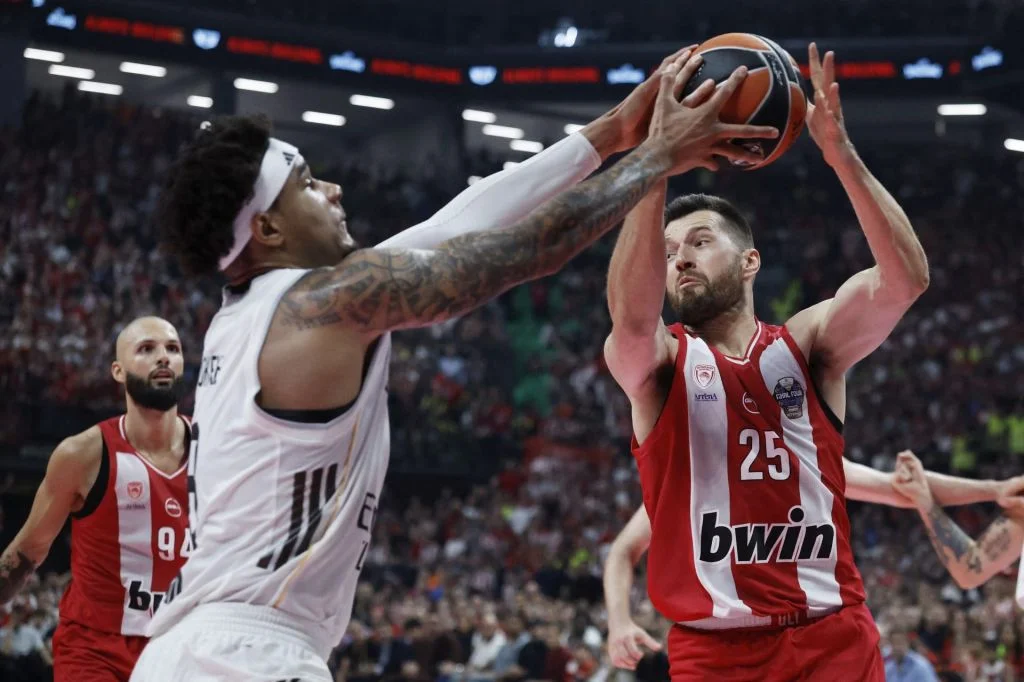
In a significant pivot for European basketball, EuroLeague has unveiled an ambitious 10-year growth plan, targeting a valuation of $8.98 billion (€7.98 billion). This announcement comes in the wake of rejecting an NBA proposal for collaboration, underscoring EuroLeague’s commitment to carving its own path in the basketball landscape.
EuroLeague's 13 shareholder clubs unanimously approved this transformative business plan, which seeks to amplify both league and team valuations primarily through enhanced commercial revenues and strategic expansion. By the decade’s close, EuroLeague projects that the total valuation of its licensed clubs will reach €5.4 billion ($6.1 billion), signifying a robust tripling of their current worth.
What's noteworthy is the expectation that EuroLeague's overall value will increase approximately 5.7-fold, reaching nearly €8 billion. The league plans to distribute approximately €3.4 billion ($3.8 billion) to its teams, with €2.2 billion ($2.5 billion) derived from revenue growth and another €1.2 billion ($1.4 billion) coming from franchise fees linked to the anticipated expansion. Currently, the clubs receive a relatively modest total revenue distribution of about €70 million ($78.6 million), highlighting the enormous growth potential ahead.
Expansion Plans and Financial Sustainability
Currently consisting of 20 teams—13 permanent shareholders plus 7 additional teams that qualify through various competitive pathways—EuroLeague aims to grow its membership to a maximum of 24 teams. This initiative includes two specified “expansion windows” slated for 2027 and 2031, and the league claims to have received 15 “binding offers” from interested franchises ready to join the fold.
A core tenet of the new strategy emphasizes long-term sustainability. Presently, only 40% of EuroLeague's licensed clubs meet the criteria for financial viability, a concern the league is committed to rectifying. The new plan forecasts that all licensed teams could achieve financial sustainability by the end of the first phase of this decade-long initiative.
Xavi Puyada, EuroLeague's CFO, remarked that the burgeoning value of the league and its clubs is accelerating as they implement the business plan alongside their independent advancements. His comments reflect a confidence in both the growth trajectory of EuroLeague and the strategic decisions being made to bolster its prestige and financial health.
The Broader Context: EuroLeague vs. NBA
This announcement comes closely after EuroLeague rebuffed an initial NBA proposal for collaboration on a European basketball project, a move that may impact the long-term landscape of professional basketball on the continent. The NBA's proposition suggested a temporary halt to EuroLeague’s planned expansion, a stipulation that did not sit well with EuroLeague’s leadership, which is determined to forge ahead. There's speculation that the NBA’s valuation of EuroLeague, estimated to be under $3 billion, adds to the friction, considering EuroLeague’s ambition for a valuation that aligns more closely with its growth potential.
The stark contrast in valuations between the EuroLeague and the NBA underlines a broader disparity in their respective financial ecosystems. Recent reports indicate that individual NBA team valuations, such as the Los Angeles Lakers, have skyrocketed — with a recent deal valuing the team at an eye-popping $12 billion. This illustrates the financial clout of the NBA compared to the EuroLeague's path toward growth.
Implications for the Future of Basketball in Europe
The NBA and FIBA jointly released a statement emphasizing their commitment to establishing a new professional league in Europe that aims to unlock the sport’s potential across the continent, benefiting clubs, players, and fans alike. Their vision centers on creating a more robust basketball ecosystem that complements EuroLeague’s initiatives, suggesting a potential friction or rivalry as EuroLeague strives to maintain its independence while propelling growth.
Ultimately, EuroLeague's ambitious valuation target reflects a broader ambition to firmly establish European basketball on a global scale. As the league embarks on this extensive plan, it poses interesting questions about the future dynamics of basketball in Europe, the response of other leagues, and the potential for collaborative frameworks that could emerge amid these competitive ambitions.
The next decade promises to be a transformative era for EuroLeague, marking a pivotal chapter as it seeks to redefine its role and establish a sustainable, financially sound environment for European basketball.