Fiji Watches Mark Nawaqanitawase's Potential Defection as Les Kiss Takes a Measured Approach
- Gate
- Baseball
- Departs
- Crew
- John Smith
- Passengers
- 612
Mark Nawaqanitawase's consideration for a switch to Fiji has captured attention, with both FRU monitoring the situation and Les Kiss remaining noncommittal.

The rugby world is buzzing with the possibility of Mark Nawaqanitawase switching allegiances from Australia to Fiji, a move that could significantly reshape international competition dynamics as his eligibility widens.
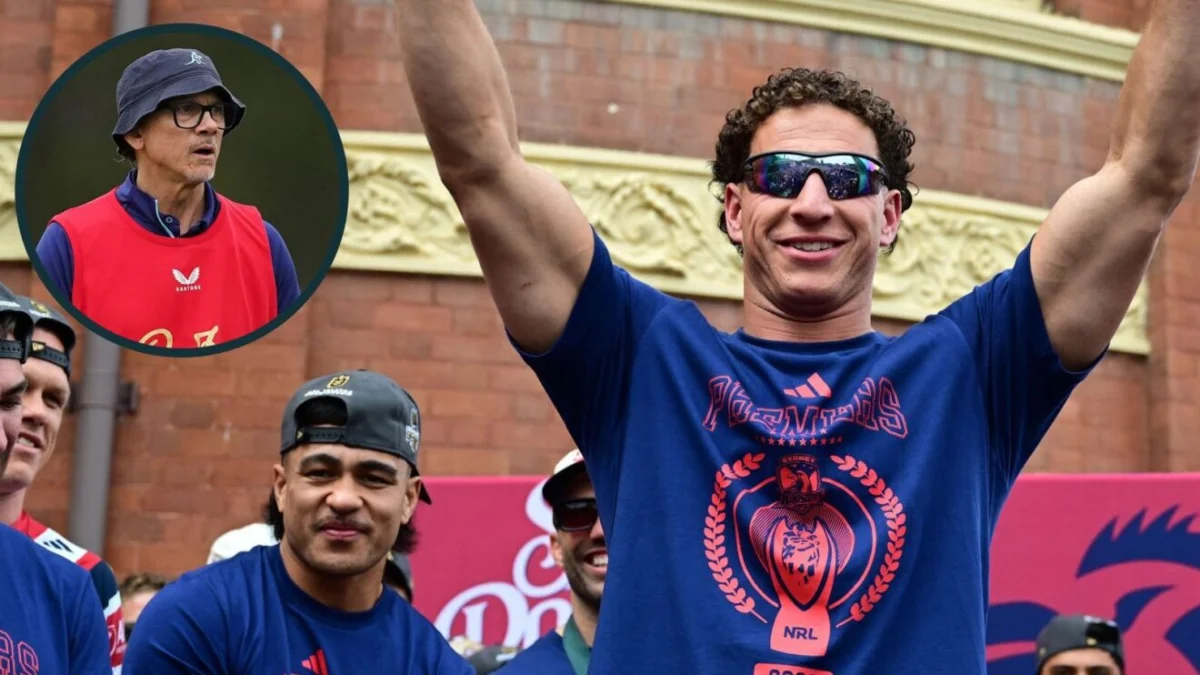
Following the conclusion of his tenure with the Wallabies, in which he last played during the 2023 Rugby World Cup, Nawaqanitawase has re-emerged as a prominent figure in rugby union discussions. Having recently excelled in the NRL with the Sydney Roosters—capping his season with a Grand Final victory where he scored two tries—his transition back to rugby union places him in a complex situation with multiple competing interests.
Fiji's Support and Interest
Koli Sewabu, CEO of the Fijian Rugby Union (FRU), confirmed that they are closely following Nawaqanitawase's situation, openly admitting the national team's keen interest. “Mark is an outstanding player, and there would be genuine interest from Fiji Rugby," Sewabu shared. His sentiments were not just words; they reflect the FRU’s strategic vision for strengthening their national team heading into upcoming international competitions.
The possibility of Nawaqanitawase donning the Fijian jersey opens up several tactical considerations for Fiji. With his dual eligibility for both Fiji and Italy—after serving his three-year stand-down period—the stakes are notably high as he weighs his options for the next Rugby World Cup.
Sewabu’s comments, hinting at Fiji's potential appeal, encapsulate the nation’s ambitions to compete at elite levels. “Ultimately, it’s up to Mark what jersey he wears...” This indicates that while they are interested, they also respect his autonomy in decision-making.
Les Kiss Maintains a Measured Stance
In contrast, Australia's head coach Les Kiss has opted for a more reserved approach regarding Nawaqanitawase’s situation. “We’ve had a couple of chats, and as I’ve said, I’ll wait until the end of the year to see where he sits,” Kiss remarked. His emphasis on patience reflects the balancing act of supporting a player whose future remains uncertain while simultaneously preparing for significant international tests.
While not overtly bullish about retaining Nawaqanitawase, Kiss did underscore the player's substantial contributions in previous seasons, noting, “He’s had a fantastic year, hasn’t he?” This highlights the coach's awareness of the player's talents, even as discussions surrounding his future develop. Kiss also asserted, “Everyone will earn their way,” reinforcing the meritocratic ethos he upholds within the squad as they look toward the upcoming Nations Championship Tests against England, Scotland, and Wales.
No Availability for Upcoming Test Matches
Compounding matters is the news that Nawaqanitawase has made himself unavailable for these crucial November fixtures. Kiss, undeterred, expressed confidence in his current roster: “We have plenty of good options in the current training group.” This statement not only alleviates pressure on the coaching staff but also emphasizes the depth and versatility of the available players as Australia navigates through challenging matchups.
Looking ahead, it’s clear that decision-making lies with Nawaqanitawase, who must now assess where his future lies. His willingness to explore options speaks to a player’s evolution and desire to contribute where he feels most aligned. The potential for impactful performances in the upcoming season remains, whether with Fiji or Australia.
Future Implications for Nawaqanitawase and Rugby
As international rugby continues to evolve with the growing number of players eligible for multiple national teams, Nawaqanitawase’s situation underscores critical questions about player allegiance, national identity, and the strategic direction of teams heading into vital competitions.
For the Fijian side, acquiring Nawaqanitawase could enhance their attacking prowess, adding a dynamic presence to the wing. Conversely, if he remains with Australia, it could solidify their depth as they prepare for pivotal tournaments. The implications are vast—shaping not just one player's career but also affecting the competitive landscape as teams jostle for supremacy in international rugby.
The conversations between Nawaqanitawase, Australia, and Fiji symbolize the shifting paradigms of player representation and national allegiance in modern rugby, revealing not just the individual aspirations but also the broader narratives of national pride and competition.


