NFL's Early London Games: A Viewership Challenge for Fox and CBS
- Gate
- Football
- Departs
- Crew
- Drew Lerner
- Passengers
- 676
The NFL's expansion of international games is complicating viewership for Fox and CBS, as the late-running Jaguars-Eagles game disrupted local broadcasts.
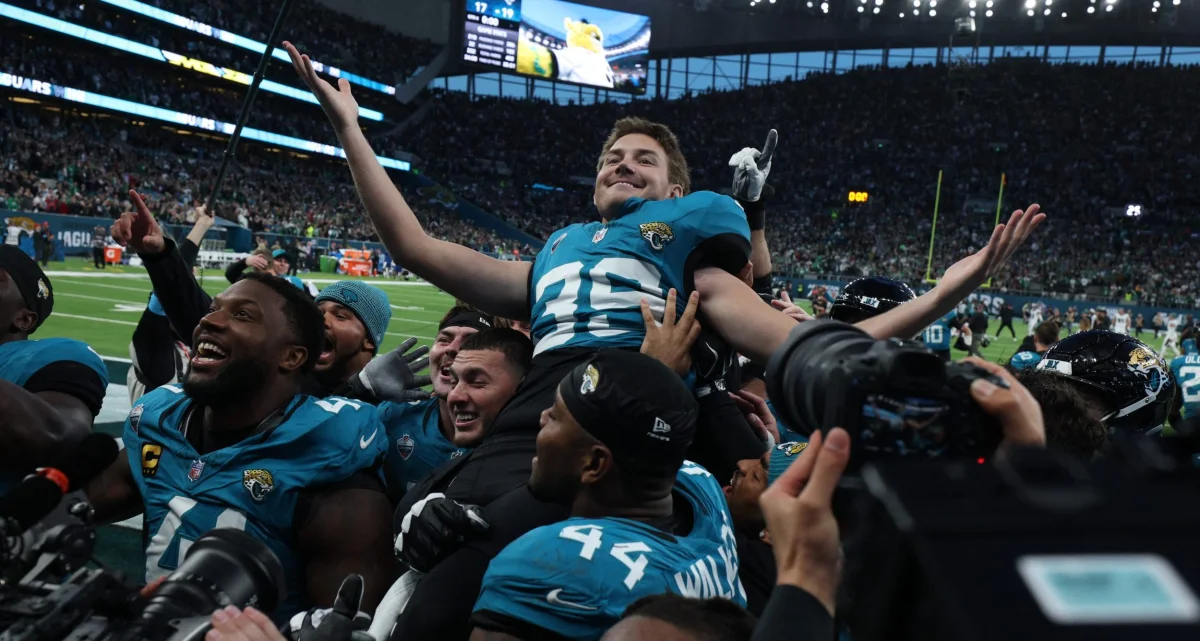
As the NFL continues to expand its reach beyond U.S. borders, the implications for television viewership are increasingly complex. Between Weeks 4 and 10 of this season, the league has scheduled a total of six games that kick off at 9:30 a.m. ET, particularly focusing on international markets such as London. The inaugural game in this window saw the Jacksonville Jaguars face off against the Philadelphia Eagles at the Tottenham Hotspur Stadium, setting the stage for an unprecedented series of televised challenges.
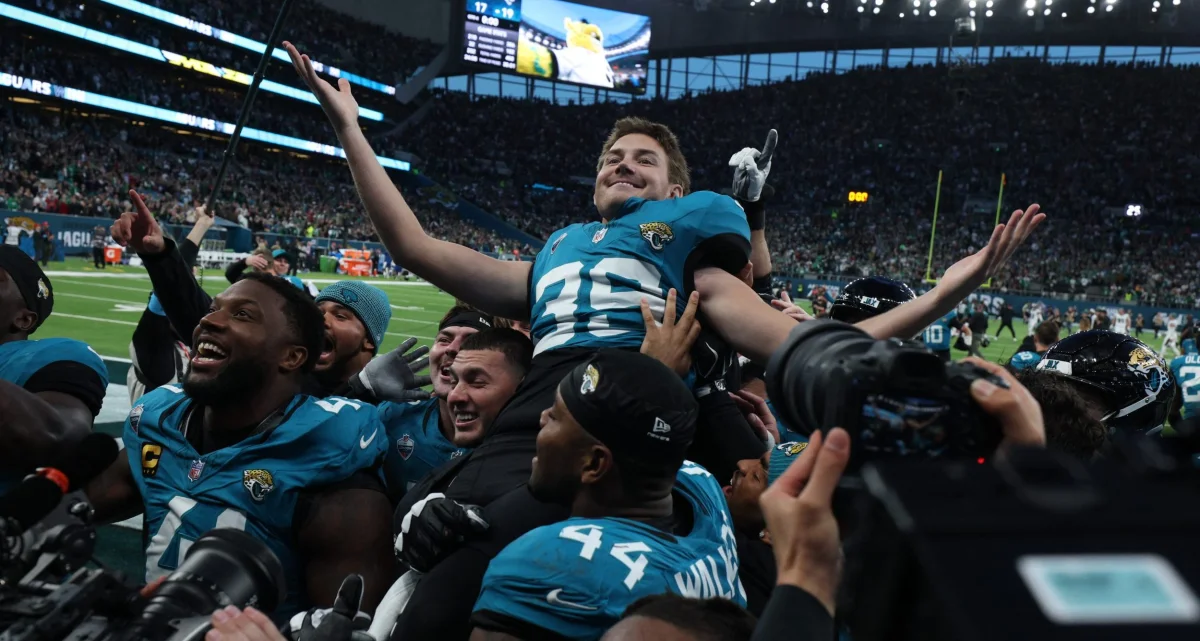
Fans tuning in were treated to a whirlwind affair that began dramatically—with the first kickoff marred by two player ejections, prompting a lengthy video review that resulted in an unsteady start. Such early chaos was a sign of things to come, as the game progressed into a cascade of penalties and further reviews. By the time the Jaguars secured a thrilling victory with a 57-yard field goal from kicker Cam Little, the clock showed 1:15 p.m. ET, and the early afternoon games on Fox and CBS were already in progress.
This overlap raises legitimate concerns for both networks, which usually depend on a seamless transition from their pregame shows—Fox NFL Sunday and The NFL Today—to maintain momentum into the 1 p.m. ET kickoffs. With the Jaguars and Eagles pushing late into the window, those networks faced the very real prospect of reduced viewership for their regional matches, potentially undermining their advertising revenue and audience engagement.
The Bigger Picture: NFL's Scheduling Dynamics
The NFL's strategy of scheduling more international games has sent shockwaves through traditional television broadcast models, especially for Fox and CBS. Both networks have expressed dissatisfaction over early morning London games not merely from a content perspective but mainly due to their detrimental effects on pregame ratings. Without the usual pregame boost, these outlets may struggle to capture the full attention of NFL fans, creating a fragmented viewership landscape.
Concerns amplify when considering that these morning games significantly cut into the time often reserved for pregame analysis and previews, essential for drawing in viewers for the following matchups. This has been especially evident with the Eagles vs. Jaguars game; many fans might have opted to start watching the early afternoon games sooner or may even have missed them altogether.
Implications for Future Broadcasts
The trend towards international events aligns with the NFL's mission to globalize the sport, but it leaves Fox and CBS to contend with an increasingly crowded and competitive television environment. As new standalone national windows emerge, they not only dilute the overall value of scheduled matchups but also make it more challenging for networks to build a cohesive slate of programming. The impact is undeniable—Fox and CBS now feel the crunch of competing against live action for approximately one-third of the season.
While this scheduling paradigm offers unique opportunities—such as Fox acquiring a 9:30 a.m. ET game from Munich and a Saturday game in Week 15 this season—the frustration lingers for broadcasters who feel they are constantly adapting to a relentless push for international expansion. The question remains: while networks wrestle with overlapping games, how will this affect the overall NFL television experience?
What Lies Ahead for NFL Viewership
As the season progresses, the fallout from the Jaguars and Eagles game serves as a crucial benchmark for networks evaluating their live sports strategies. The NFL's pattern suggests this might not be an isolated incident; more such high-stakes morning games are likely on the horizon.
Understanding how these scheduling choices affect viewership could ultimately redefine strategies for broadcasters, advertisers, and the league itself. As they strive to balance international ambition with local viewership needs, networks must consider innovative ways to capture audiences, possibly by enhancing their pregame offerings or developing complementary digital content to engage fans in real-time.
The conversations around viewership and scheduling dynamics are just starting, and the impact could ripple across subsequent seasons. With the NFL committed to prioritizing its international presence, Fox and CBS must adapt even faster to stay in tune with shifting viewer habits. There's no denying that the intersecting schedules of early morning games and afternoon matchups present significant challenges, and these networks will need to be nimble if they want to maintain their stronghold in NFL broadcasting.


