Steve Ballmer Replaces Lawyer Post-‘Witch Hunt’ Controversy Amid NBA Punishments
- Gate
- Basketball
- Departs
- Crew
- Ben Horney
- Passengers
- 767
Steve Ballmer parts ways with attorney David Kelley following the NBA's punitive measures, shifting legal strategy as fallout from the Kawhi Leonard scandal continues.
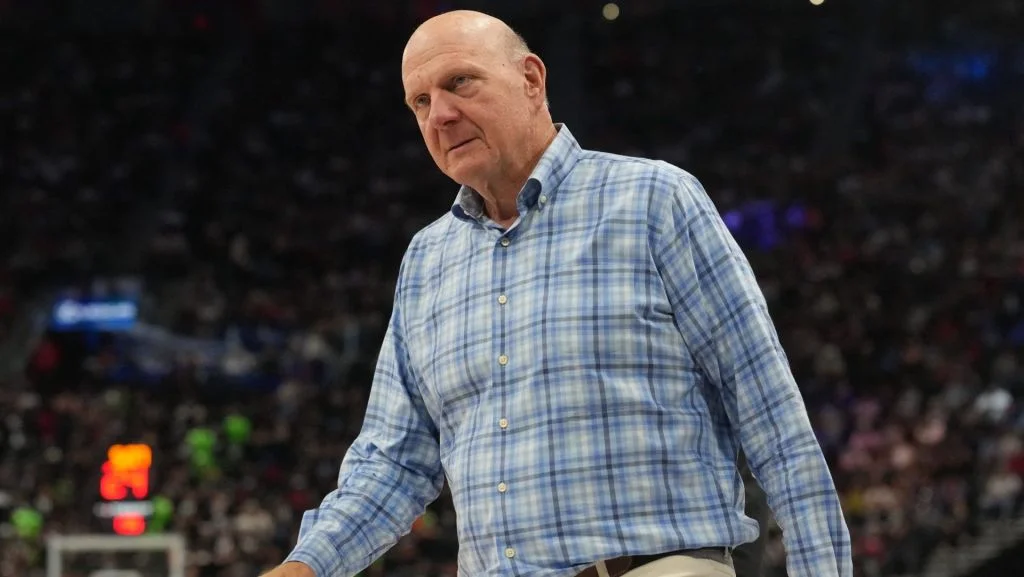
In a significant legal restructuring, Steve Ballmer has departed from attorney David Kelley, who vigorously criticized NBA Commissioner Adam Silver on the very day the league announced its ruling regarding the Kawhi Leonard salary cap circumvention case, Front Office Sports reports.
Kelley, of O’Melveny & Myers, penned a letter on September 2 that labeled the NBA’s investigation into the Clippers’ alleged financial misconduct a “witch hunt.” This investigation stems from the league’s findings that the Clippers not only violated salary cap regulations but did so by channeling substantial payments to Leonard through third parties. Alongside Ballmer, Kelley has also been involved in ongoing litigation against Aspiration's founder, Joseph Sanberg, where Ballmer is listed as a defendant. This lawsuit revolves around claims that Leonard was paid under a controversial “no-show” endorsement deal raising ethical and legal questions.
Despite O’Melveny remaining on the case docket as of last month, recent filings indicate that Ballmer has secured new legal counsel from Simpson Thacher, suggesting a pivot in strategy. Sources familiar with the situation have confirmed that he's no longer collaborating with Kelley or O’Melveny for NBA-related issues. Initially, Ballmer intended to contest the league’s findings, yet he has since backed away, likely as a means to mitigate the fallout. This legal pivot is particularly timely following the NBA’s substantial disciplinary actions.
The Fallout from the NBA's Findings
The NBA's investigation, helmed by the prestigious firm Wachtell Lipton, culminated in serious consequences for the Clippers organization: Ballmer received a one-year ban from the league, and the team faced hefty fines totaling $30 million along with the forfeiture of five first-round draft picks starting in 2029. The investigation concluded that the Clippers attempted to circumvent the salary cap through questionable transactions, a stark violation by an organization that boasts championship aspirations.
Kelley’s letter vehemently defended the Clippers, claiming the NBA’s actions “irreparably” harmed Ballmer’s reputation and described the probe as fundamentally flawed. In a sharp rebuke to Silver, Kelley stated, “This investigation has been flawed from the outset... This type of witch hunt flies in the face of fundamental fairness.” This confrontational stance, however, lacked the support needed as the league's findings were published, and Ballmer soon turned a corner.
Shifting Approaches
In a rapid response to the mounting pressures from both the NBA and federal scrutiny, which included a probe launched by the U.S. Department of Justice, Ballmer publicly accepted the penalties imposed by the league. This marked a notable shift from his previous stance, where he had indicated intentions to fight the allegations. In a statement of contrition, he apologized to "fans, employees, and my fellow team owners," while indicating a desire to move forward from the controversies.
Positioning himself within Simpson Thacher now places Ballmer under the guidance of expert legal minds, including partner Rafi Prober as his primary advisor, alongside Bill Burck from Quinn Emmanuel, known for his forte in navigating complex legal landscapes in sports. Simpson Thacher has been expanding its sports law capabilities recently, enhancing their expertise by hiring prominent figures from other esteemed firms.
Legal Landscape and Implications
The legal maneuvers following this controversy resonate beyond mere organizational difficulties; they speak to the broader implications for franchise owners in the NBA. The league’s punitive measures are a clear reminder that structural integrity rules are taken seriously, and owners who stray from these rules face significant repercussions. For Ballmer, this represents a critical juncture in his ownership career, where gaining stability and a favorable public perception is crucial for the Los Angeles Clippers moving forward.
Aside from internal management and public relations fallout, the decisions regarding legal representation spotlight the intersection of sports, law, and management strategy. Michael Weinstein, a former DOJ trial attorney, cautioned Ballmer previously, suggesting the need to “batten down the hatches.” He advised that engaging aggressively against the NBA could serve only to complicate the Clippers’ legal standing amidst ongoing government investigations.
While Kelley has an impressive portfolio of high-profile legal cases, his inability to navigate the latest controversy surrounding the NBA appears to have prompted this shift. For instance, he has previously represented notable figures like Don Henley of the Eagles and former FBI director James Comey, showcasing his diverse expertise. However, in this instance, Ballmer’s strategy appeared misaligned with Kelley’s approach, leading to the significant decision to seek new legal counsel.
As Steve Ballmer moves forward with a new legal team, the implications stretch into the Clippers’ future, both on and off the court. How the franchise navigates this complex legal landscape will play a crucial role in its ability to recover and succeed in the highly competitive realm of professional basketball.


