Braiden Bell's Fight for Reinstatement: The Fallout from Teenage Tweets
- Gate
- Basketball
- Departs
- Crew
- Ryan Glasspiegel
- Passengers
- 591
Braiden Bell seeks reinstatement from the Trail Blazers after being fired for past tweets deemed insensitive, raising questions about accountability and growth.
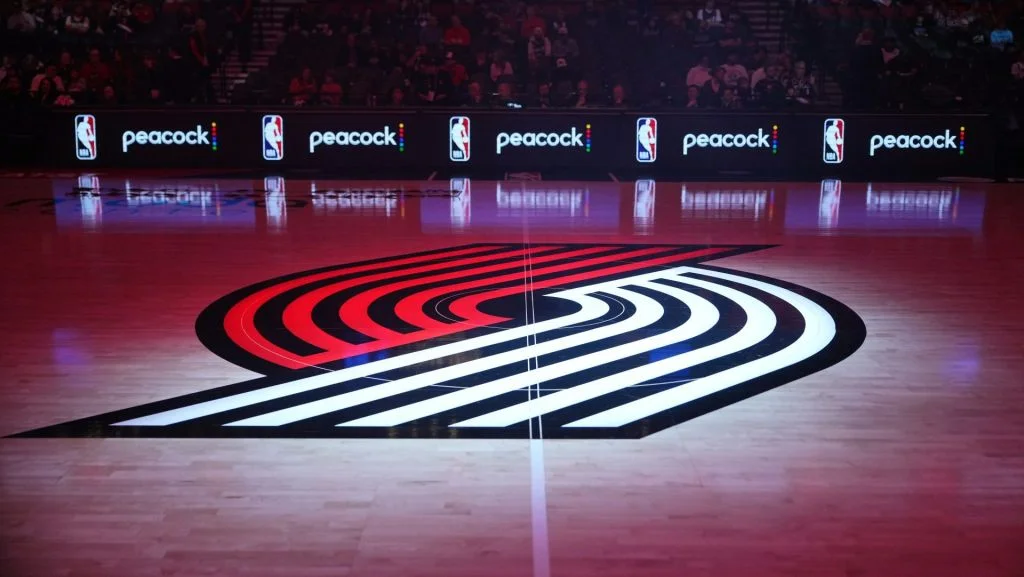
An attorney for Braiden Bell has filed a motion for his reinstatement as broadcaster for the Portland Trail Blazers after his recent firing due to controversial tweets from his teenage years. This incident raises significant discussions about accountability and the standards we place on individuals for actions from their past.
Just hours after the Blazers announced Bell’s hiring, a local NBC affiliate, KGW, uncovered tweets from 2012 and 2013 that were identified as insensitive towards women and Asian individuals. Despite his immediate termination, Bell's legal representative, Arnie Herz, is advocating for a reevaluation of how society considers past mistakes in conjunction with personal growth.
Understanding the Context of the Tweets
When Braiden Bell was brought on board to replace the outgoing broadcaster, the anticipation surrounding his role was palpable; however, the excitement quickly morphed into controversy. One tweet attributed to him read, “Gotta give a shoutout to all the big girls out there and those closet whores.” Another read, “I’m not racist at all.. But not gonna lie.. Asian people piss me off! Hahaha #Honest.” These comments, now viewed through the lens of social media accountability, triggered an immediate backlash. The Blazers' reaction was swift and uncompromising. In a released statement, the organization underscored its commitment to social values, clarifying, “The Portland Trail Blazers have zero tolerance for racist, sexist, or harmful comments.”
It's important to recognize that Bell was only 15 years old when he posted these messages. In the eyes of his attorney, the question should be whether a teenager's past indiscretions can overshadow their present character and contributions as an adult. “What he is asking is whether a boy’s words from fourteen years ago should outweigh everything the man has done since,” Herz contended in his statements to the press.
The Importance of Accountability
Bell has publicly acknowledged the gravity of his past remarks. On October 2, the day following his hiring and firing, he issued an apology through social media, stating, “I am deeply sorry for the language that I used on Twitter. These tweets, while wrong, were written by me 14 years ago while I was only 15 years old and have no reflection of who I am today.” His statement reveals an understanding of the impact of his words and highlights his recognition of how they do not represent his current mindset or beliefs.
According to Herz, holding Bell’s past against him presents an unrealistic standard that few could meet. “Zero tolerance sounds strong, but applied to childhood it becomes a standard no one can meet and no one actually believes in,” he stated. This commentary reflects the ongoing debate about how organizations navigate past mistakes while promoting growth, redemption, and second chances.
Comparative Cases in the NBA
This situation isn't unique to Bell. His attorney, Arnie Herz, also represented Jacob Tobey, a broadcaster for the San Antonio Spurs, who faced a similar fate. Tobey’s career was put in jeopardy when personal allegations surfaced. Yet, he was ultimately reinstated, suggesting a path to recovery and forgiveness exists within the league’s structure. Such precedents might lend credibility to Bell's argument for reinstatement.
The Blazers, however, remain steadfast in their decision. In a follow-up statement, they reiterated their position, asserting, “We stand by our statement issued last week and have no further comment at this time. We wish Mr. Bell the best.” This suggests the organization is prioritizing its public image and stance on social responsibility, even when it implies sacrificing a potentially talented broadcaster.
The Broader Implications for the League and Society
This current controversy invites further reflection on the broader implications for the NBA and its culture. The league has historically taken strong stands on social issues, setting a precedent for proactive engagement rather than reactive discipline. As the landscape of social media evolves and public sensitivity grows, Bell's case serves as a litmus test for how far the definition of accountability can stretch in the world of professional sports.
While the Blazers have taken a firm stance, the conversation is far from over. The ongoing discourse about accountability versus personal growth, especially regarding statements made in youth, is critical as society grapples with issues of past actions versus present responsibilities.
As Braiden Bell continues his pursuit for reinstatement, observers will be keen to see if the Blazers might rethink their position or if his case will serve as yet another cautionary tale in a league that strives for excellence in public conduct and ethical behavior.


